E-Bike Battery Common Problems & Solutions: A Technical Troubleshooting Guide
Summary: This guide delves into the most frequent issues plaguing e-bike batteries, such as rapid capacity loss, charging failures, and inconsistent power. We explain the root causes from an electrochemical and engineering perspective and provide a structured, actionable approach to diagnosis and resolution.
Introduction: Understanding Your E-Bike's Power Core
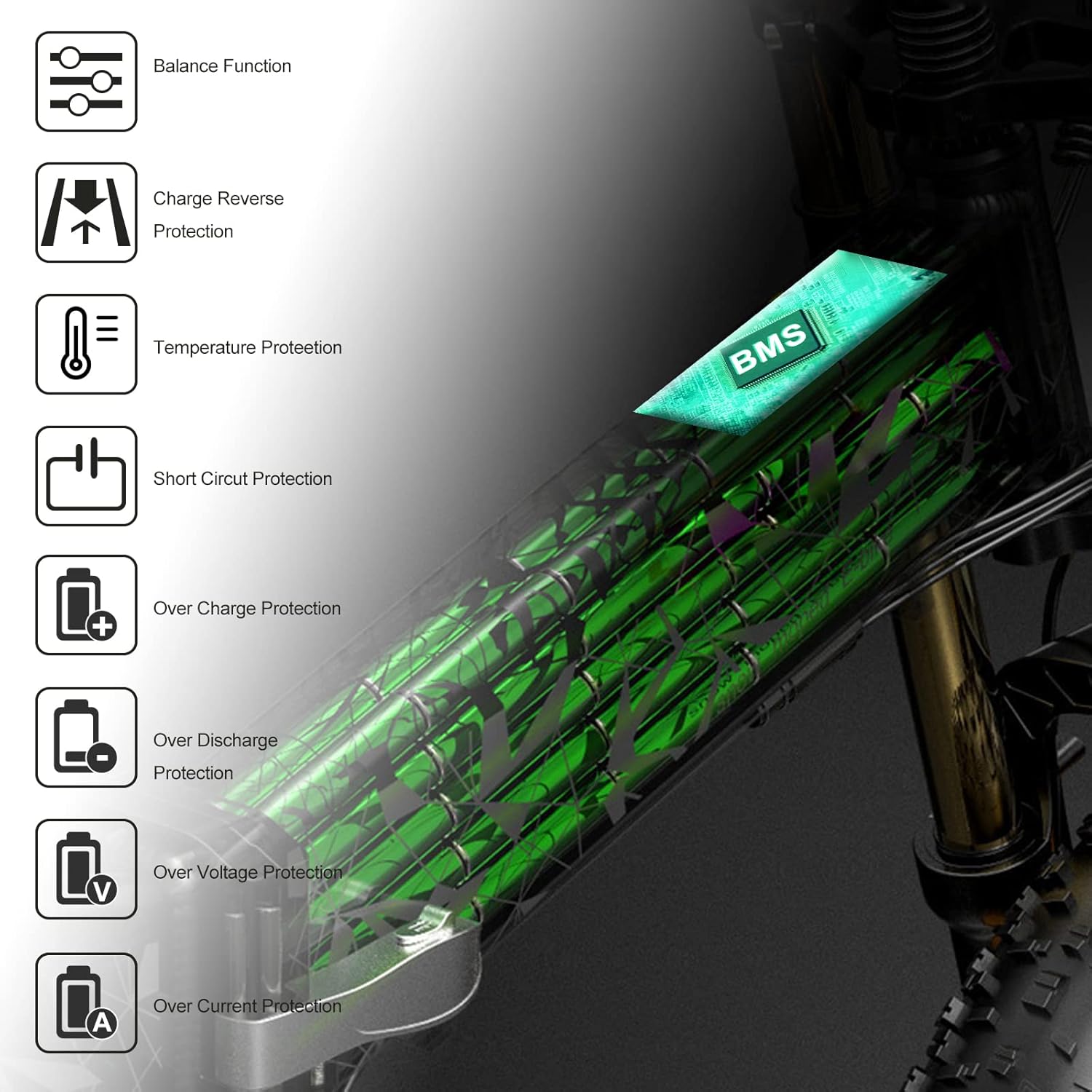
An e-bike battery is a complex system, not just a pack of cells. It comprises lithium-ion cells, a sophisticated Battery Management System (BMS), charging circuits, and mechanical housing. A failure in any of these components can lead to performance issues. Understanding the core technology is the first step to effective troubleshooting.
1. Problem: Rapid Capacity Fade (Reduced Range)
The Symptom: The bike's range on a full charge has significantly decreased, falling far short of its original specification.
Underlying Causes & In-Depth Analysis:
A. Chemical Degradation of Li-ion Cells: This is the primary and inevitable cause of aging. Each charge-discharge cycle causes minute physical changes to the anode and cathode. Lithium-ion batteries typically retain about 60-80% of their original capacity after 500-1000 full cycles, depending on cell quality and usage conditions.
B. Cell Voltage Imbalance: An e-bike battery pack consists of dozens of cells in series. Over time, slight variations in internal resistance and self-discharge rates cause individual cell voltages to diverge. The BMS will halt discharge when the *weakest* cell group's voltage drops too low, leaving charge in the stronger cells unused. This manifests as a sudden drop in power, even though the "total" capacity is still decent.
C. Environmental Stressors:
- Low Temperatures: Cold weather increases the internal resistance of lithium-ion cells, reducing their ability to deliver current and available capacity. This effect is temporary, but repeated charging in freezing conditions can cause permanent damage.
- High Temperatures: Storing a battery in a hot environment (e.g., a car in summer) accelerates the chemical degradation process, permanently reducing capacity.
Actionable Diagnostic & Resolution Steps:
- Check Tire Pressure & Brake Drag: Rule out simple mechanical inefficiencies first. Under-inflated tires and rubbing brakes are major contributors to reduced range.
- Analyze Riding Habits: Consistent use of the highest pedal assist level and throttle-only operation will deplete any battery quickly.
- Perform a Full Balance Charge: Leave the battery on the charger for an extended period (8-12 hours) after the charger indicator turns green. This allows the BMS to slowly balance the cell groups, which can restore some lost range.
- Evaluate Storage Conditions: Ensure the battery is stored in a cool, dry place, away from direct sunlight.
2. Problem: Charging Failure (Battery Won't Charge)
The Symptom: The battery shows no signs of accepting a charge when connected to the charger.
Underlying Causes & In-Depth Analysis:
A. Faulty Charger or Power Source: The external charger is a common point of failure. Internal components can fail, providing no output voltage.
B. Deep Discharge Protection: If a battery is stored completely empty for a long period, its voltage can fall below the BMS's low-voltage disconnect threshold. The BMS enters a protective "sleep mode" and will not allow charging to prevent damage to the deeply discharged cells.
C. BMS or Internal Fuse Failure: A failure within the Battery Management System itself, or a blown internal fuse, will interrupt the charging circuit.
Actionable Diagnostic & Resolution Steps:
- Systematic Charger Test:
- Test the wall outlet with another device.
- Check all cable connections for secure fit.
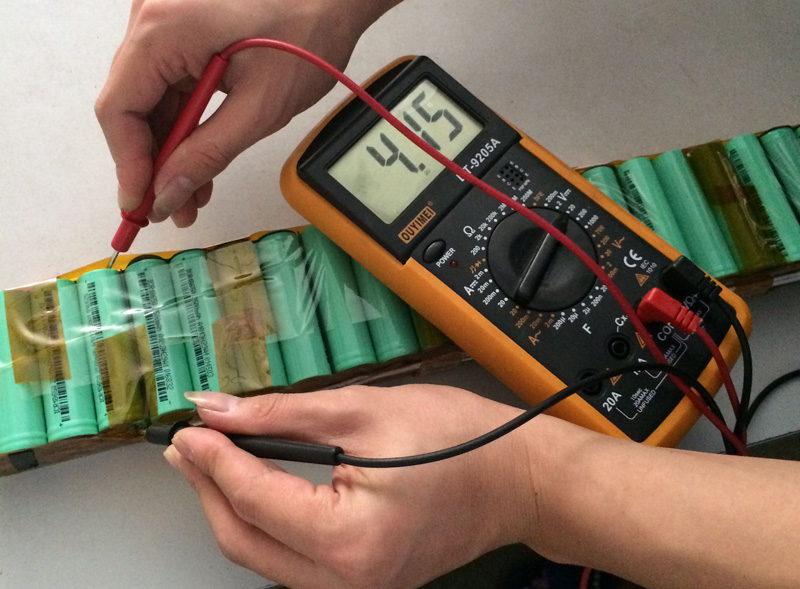
- If possible, use a multimeter to check the charger's output voltage. It should be close to its rated voltage (e.g., 54.6V for a 48V battery).
- Awaken a Sleeping Battery: For a deeply discharged battery, try leaving it connected to the charger for 24-48 hours. A functioning charger may provide a small "trickle" that slowly brings the pack voltage high enough for the BMS to resume normal charging.
- Visual Inspection of Connectors: Inspect the charging port on the battery and the charger plug for dirt, debris, or bent pins.
3. Problem: Inconsistent Power Output & Sudden Shutdowns
The Symptom: Power cuts out intermittently, especially under high load like climbing a hill or during acceleration.
Underlying Causes & In-Depth Analysis:
A. High-Resistance Connections: Loose, corroded, or damaged connectors between the battery and the motor controller create a point of high electrical resistance. Under high current, this can cause a significant voltage drop at the connector, making the BMS think the battery is empty, triggering a shutdown.
B. Voltage Sag in Weak Cell Groups: As mentioned in Problem 1, a weak or imbalanced cell group will experience a severe voltage drop ("sag") when a high current is drawn. The BMS detects this low voltage in the specific cell group and cuts power to protect it.
C. BMS Over-Temperature Protection: Pushing the battery beyond its continuous discharge rating can cause the BMS or the cells themselves to overheat, triggering a thermal shutdown.
Actionable Diagnostic & Resolution Steps:
- Inspect and Clean Main Connectors: Always disconnect the battery first. Check the main discharge connector for signs of arcing, melting, or corrosion. Clean with electrical contact cleaner and ensure a tight fit.
- Reduce Load to Test: If the shutdowns only occur on hills, try using a lower assist level to reduce the current draw. If this prevents the shutdown, it strongly points to cell imbalance or a weak pack.
- Allow for Cooldown: If the battery feels hot to the touch, allow it to cool down completely before attempting to use it again.
4. Critical Problem: Physical Damage & Swelling
The Symptom: The battery case is bulging, cracked, or has been punctured.
Underlying Causes & In-Depth Analysis:
Swelling is caused by the generation of gas inside the lithium-ion cells. This can result from:
- Severe Physical Impact: Compromising the internal structure of the cells.
- Chronic Overcharging: Driving unwanted chemical reactions.
- Internal Short Circuit: Due to manufacturing defect or damage.
A swollen battery is a significant safety hazard and poses a high risk of fire or toxic release.
Immediate Action Protocol:
- STOP using or charging the battery immediately.
- Remove it from the e-bike with care.
- Place it in a well-ventilated, fireproof container (e.g., a metal bucket filled with sand) away from flammable materials.
- Contact a professional e-bike shop or a certified battery recycling facility for safe disposal. Do not dispose of it in household trash.
Conclusion: Knowledge is Power
Effectively troubleshooting e-bike battery issues requires a methodical approach, starting with the simplest explanations (tire pressure, charger connection) and moving towards more complex ones (cell imbalance, BMS failure). Understanding the role of the BMS, the nature of cell degradation, and the importance of proper maintenance empowers you to extend your battery's lifespan and ensure safe operation. When in doubt, especially with physical damage or persistent electrical faults, consulting a qualified technician is always the safest course of action.
This article is intended for educational purposes. Always prioritize safety and consult a professional for complex repairs.