Should You Remove Your E-Bike Battery After Every Ride?
It is the most expensive component on your bike. Should you treat it like a removable accessory or a permanent fixture? The answer depends on your environment.
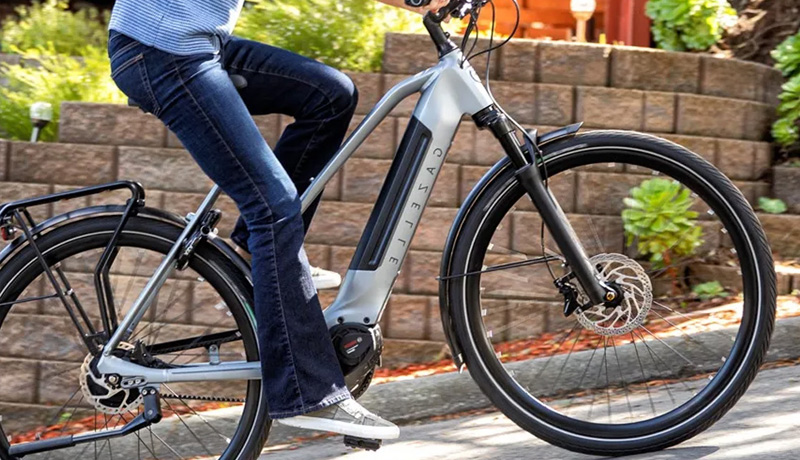
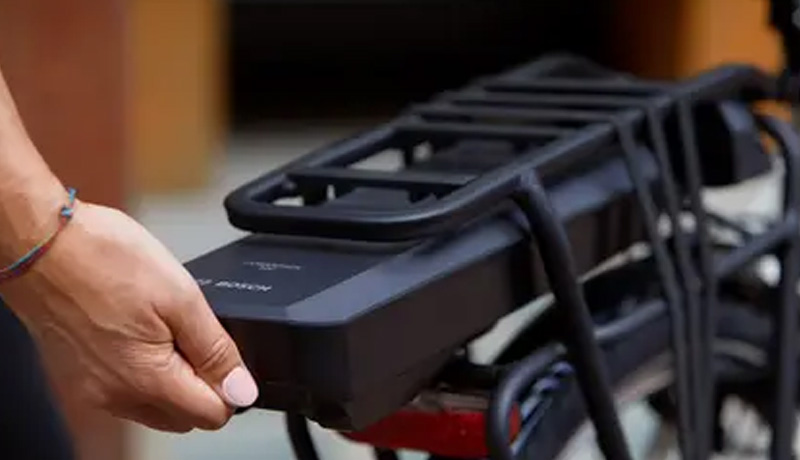
One of the greatest advantages of modern e-bikes is the removable battery system. Whether it is a Hailong downtube pack or an integrated in-frame battery, the ability to unlock and detach the power source is a key feature.
However, many riders are confused about best practices. "If I take it off every day, will I wear out the connectors? If I leave it on in the garage, will the cold kill it?"
As battery manufacturers, we look at this through the lens of Chemical Health vs. Mechanical Wear. Here is the technical breakdown of when you should remove it, and when you can leave it be.
1. The Environmental Factor: Temperature is King
Lithium-ion cells (the 18650 or 21700 cylinders inside your pack) are chemically sensitive to temperature. This is the #1 reason to remove your battery.
In Cold Weather (Below 10°C / 50°F)
Verdict: REMOVE IT.
If you park your bike in an unheated garage or shed during winter, you must bring the battery inside.
- The Risk: While storing a battery in the cold is generally okay, charging a frozen battery is catastrophic. If you try to charge a Lithium battery that is near freezing, the ions cannot move into the anode fast enough. Instead, they plate onto the surface as metallic lithium. This causes permanent capacity loss and increases the risk of short circuits.
- The Solution: Bring the battery indoors to room temperature (20°C) for at least an hour before plugging it in.
In Hot Weather (Above 30°C / 85°F)
Verdict: REMOVE IT.
If you are parking outside in direct sunlight, or in a hot car, take the battery with you. Heat degrades the internal electrolyte and accelerates the aging process. A battery sitting in the sun can easily reach internal temperatures of 60°C, which can degrade the separator and risk thermal runaway.
2. The Security Factor: The Ultimate Deterrent
Verdict: REMOVE IT (in public).
An e-bike without a battery is significantly less attractive to thieves for two reasons:
- Resale Value: The battery is often 30-40% of the bike's value. A thief knows that selling a bike without a battery (and charger) is difficult and suspicious.
- Weight: Without the motor assistance, a heavy fat-tire e-bike is just a sluggish 60lb anchor. It is much harder to ride away on a stolen bike with no power.
3. The Safety Factor: Charging Protocols
Verdict: REMOVE IT (Ideally).
While you can charge the battery while it is mounted on the frame, we recommend charging it off the bike whenever possible.
Why? Fire Containment. In the extremely rare event of a battery malfunction or fire during charging, you want the battery isolated. If it is on the bike, the fire will consume the bike, the tires, and potentially the structure it is leaning against. If the battery is charged on a concrete floor or in a fire-safe bag away from the bike, the damage is minimized.
4. The Counter-Argument: Mechanical Wear and Tear
Is there a downside to removing it every single time? Yes.
Connector Fatigue
Every time you slide the battery off, you create friction on the discharge terminals (usually gold-plated copper pins or blades).
- Sparking: If your battery switch is "ON" when you insert it, you might hear a "pop." This is the inrush current jumping the gap, which pits and corrodes the connectors over time.
- Loose Rails: On plastic Hailong cases, daily removal can eventually loosen the locking mechanism, causing the battery to rattle or disconnect over bumps.
Pro Tip: Always turn the battery switch OFF (if applicable) before removing or inserting it to prevent spark erosion on the terminals.
Summary: The "Rule of Thumb"
| Scenario | Action | Reason |
|---|---|---|
| Commuting to Work | Remove | Theft prevention & keeping cells at room temp. |
| Winter Storage (Garage) | Remove | Prevent freezing; never charge a cold battery. |
| Short Stop (Grocery Store) | Leave On | Avoid unnecessary mechanical wear on connectors. |
| Charging at Home | Remove | Safety; charge on a non-flammable surface. |
Conclusion
You do not need to be paranoid about removing the battery for every 5-minute stop. In mild weather and secure locations, leaving it on the bike reduces mechanical wear on the mounting points.
However, temperature and charging safety should always win. If it is cold, hot, or time to charge, take the battery off. Treating your battery with this level of care can extend its lifespan from 2 years to 4 or 5 years.