U.S. E-Bike Market Growth: The Hidden Risk of Battery Fires & Why Quality Batteries Matter
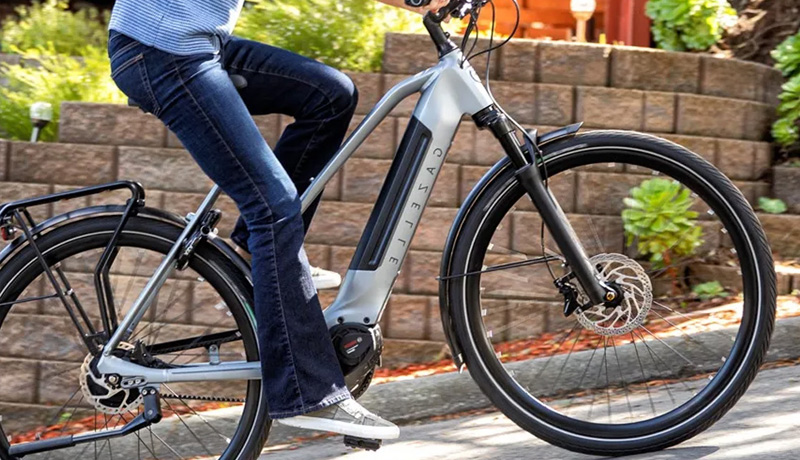
The U.S. electric bike (e-bike) market isn’t just growing—it’s exploding. What started as a niche alternative to cars and traditional bikes has become a mainstream mobility solution, powering commutes, deliveries, and leisure rides across the country. But with this rapid growth comes a critical concern: e-bike battery fires. As more e-bikes hit the roads, the number of fire incidents has risen, highlighting a non-negotiable truth: your e-bike’s safety starts with its battery. At ShunTongDa (stdbattery.com), we’ve built our reputation on solving this exact problem—providing certified, durable lithium-ion batteries that keep you safe while powering your ride. Let’s break down the U.S. e-bike boom, the fire risks it brings, and how to protect yourself with the right battery.

1. The U.S. E-Bike Market: Explosive Growth by the Numbers
Over the past five years, e-bikes have transformed the U.S. bicycle industry. What was once a small segment now drives most of the sector’s growth—and the numbers tell a clear story:
sales Growth Leader: From 2019 to 2023, e-bikes accounted for 63% of all U.S. bicycle industry sales growth (Circana). By 2023, they made up 20% of total bicycle sales nationwide.
Revenue Projection: The U.S. e-bike market is expected to hit $2.17 billion in revenue by 2025, with a 13.06% compound annual growth rate (CAGR) from 2025 to 2029 (Statista).
Sales Surge: After federal regulations clarified e-bike classifications in 2020, sales jumped from 25-30 million units in 2019 to 81 million units in 2020 (INSG). By 2021, year-over-year sales growth reached 240%.
Penetration Rise: E-bike penetration in the U.S. has climbed from less than 2% in 2019 to 4% in 2020—and continues to grow as more states adopt pro-e-bike policies.
What’s fueling this growth? E-bikes solve two big U.S. mobility pain points: cost (cheaper than cars, cheaper to maintain than gas-powered vehicles) and convenience (no license required in most states, easy to park, and perfect for “last-mile” commutes). For delivery riders, in particular, e-bikes cut down on travel time and physical strain—making them indispensable for gig work.
2. U.S. E-Bike Regulations: Keeping Up with Growth
As e-bike popularity surged, states and the federal government moved to regulate the industry—aiming to balance safety with accessibility. These rules not only shape how e-bikes are used but also highlight risks like illegal modifications (a major cause of battery fires).
Federal Classification: The 3-Class System
In 2020, the U.S. established a federal 3-class system for e-bikes, defining them as non-motor vehicles (avoiding strict motorcycle rules). This clarity unlocked widespread adoption:
| Class |
Features |
Max Speed |
Age Restrictions |
| Class 1 |
Pedal-assist only (no throttle) |
20 mph (32 km/h) |
None |
| Class 2 |
Pedal-assist + throttle |
20 mph (32 km/h) |
None |
| Class 3 |
Pedal-assist only |
28 mph (45 km/h) |
16+ years old |
State-Level Rules: Crackdown on Risks
States are now tightening regulations to address safety concerns, especially around battery fires and illegal modifications. A notable example is Connecticut, which implemented strict rules in October 2025:
- Helmet Mandate: All e-bike riders (regardless of age) must wear a helmet.
- Power Cap: E-bikes are limited to 750W—any higher is classified as a “motorcycle,” requiring a license and registration.
- Modification Penalties: Illegal upgrades (e.g.,crack speed limits, boosting motor power) result in fines up to $300. Retailers selling misclassified e-bikes also face penalties.
Why does this matter for batteries? Illegal modifications often bypass the battery’s built-in safety systems (like BMS, or Battery Management Systems), increasing the risk of overheating and fire. Connecticut’s rules are a warning: safe e-bike use starts with compliant, unmodified components—especially batteries.
3. U.S. E-Bike Use Cases: Who’s Driving the Growth?
E-bikes aren’t just for “cyclists”—they’re for everyone. Diverse use cases have expanded the market, putting more e-bikes (and batteries) on U.S. roads:
Commuters (The Largest Segment)
For urban workers with 5-15 mile commutes, e-bikes beat cars and public transit. They avoid traffic, cost just cents per charge, and eliminate “last-mile” hassles (e.g., walking from the subway to the office). A 2025 survey found 72% of U.S. e-bike commuters use their bikes 4+ times per week—keeping batteries in regular use.
Delivery Riders (The Fastest-Growing Segment)
Gig economy growth (Uber Eats, DoorDash, Amazon Flex) has made e-bikes a “productivity tool” for delivery workers. In New York City alone, over 65,000 e-bikes are used for deliveries—riding 100+ miles per day. These high-mileage users rely on durable batteries to avoid mid-shift breakdowns (and lost income).
Students & Families
Middle and high school students use e-bikes for 3-5 mile trips to school, while college students navigate large campuses. Families use them for grocery runs or weekend outings—thanks to features like cargo racks and child seats. These users prioritize safety and reliability, as e-bikes often carry multiple people or items.
Older Adults
Retirees and older adults choose e-bikes for low-impact exercise and errands. With no physical strain, e-bikes let them stay mobile—whether visiting friends or picking up groceries. This group values easy maintenance and long battery life, as they may not ride as frequently but need consistency when they do.
Each of these use cases adds more e-bikes to the roads—and with them, more batteries. The problem? Not all batteries are built to handle these demands.
4. The Dark Side of Growth: U.S. E-Bike Battery Fire Statistics
As e-bike numbers rise, so do battery fire incidents. The data is alarming—but it’s not a reason to avoid e-bikes. It’s a reason to prioritize quality batteries.
New York City (A Warning Sign): In 2023, NYC reported 216 e-bike battery fires, resulting in 6 deaths. In the first half of 2024 alone, there were 60+ fires and 5 deaths (NYC Fire Department).
National Risk: Approximately 1 in 15,000 e-bikes experiences a battery fire—and nearly all (98%) involve lithium-ion batteries (NFPA).
Fire Death Impact: E-bike battery fires contributed to 18 of NYC’s 106 fire-related deaths in 2023—making them a leading cause of preventable fire deaths in the city.
Why are these fires happening? The vast majority of incidents trace back to three issues—all related to batteries:
- Low-Quality or Counterfeit Batteries: Uncertified batteries (often sold online at discount prices) use recycled or defective cells, lack proper BMS, and skip safety tests. These batteries are prone to thermal runaway (a chain reaction of overheating that causes fires or explosions).
- Illegal Modifications: Boosting motor power or crack speed limits forces batteries to work beyond their design capacity. This overloads cells and disables safety features—turning a compliant e-bike into a fire hazard.
- Poor Maintenance or Misuse: Overcharging, storing batteries in extreme temperatures, or using non-approved chargers degrades cells over time. A 2025 study found 60% of e-bike fires occur during charging—often due to these bad habits.
The good news? These risks are avoidable. The solution starts with choosing a battery you can trust.
5. Why Your E-Bike Battery Is Non-Negotiable: ShunTongDa’s Safety Promise
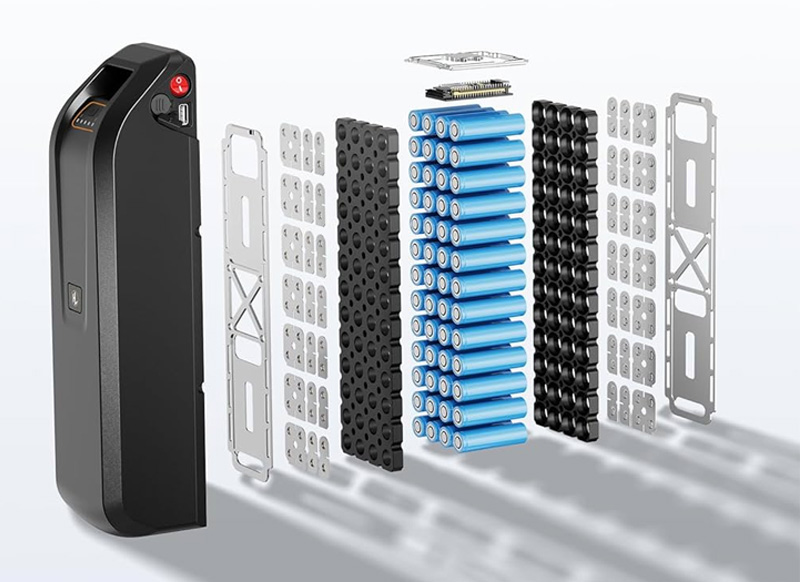
Your e-bike’s battery isn’t just a “part”—it’s the heart of your ride. A quality battery keeps you safe, extends your range, and saves you money (by avoiding premature replacements). At ShunTongDa, we design every battery to address the exact risks that cause fires. Here’s what sets us apart:
Grade A Cells: No Cutting Corners
We use only Grade A 18650/21700 cells from trusted manufacturers (LG, Panasonic, Samsung, Sony). These cells undergo rigorous testing to ensure consistency and durability—unlike the recycled or defective cells used in cheap batteries. Grade A cells resist overheating, maintain capacity longer, and are far less likely to experience thermal runaway.
Smart BMS: Your Battery’s Safety Net
Every ShunTongDa battery includes a 30A-50A smart BMS (Battery Management System). This technology acts as a “guardian” for your battery:
- Prevents overcharging and over-discharging (the top causes of cell damage).
- Regulates current flow to avoid overloads (critical for high-mileage users like delivery riders).
- Monitors temperature and shuts down the battery if it gets too hot (stopping thermal runaway before it starts).
Global Safety Certifications: Tested & Trusted
Our batteries meet the strictest safety standards worldwide, including CE, ROHS, UN38.3, and MSDS. These certifications mean every battery is tested for fire resistance, electrical safety, and environmental impact. We also inspect 100% of batteries before shipping—so you never receive a defective unit.
Compatibility: No Guesswork
We offer over 100 e-bike battery models, compatible with top U.S. brands like Rad Power (RadWagon, RadRunner), Lectric XP, Aventon Pace 500, and more. Whether you need a 36V battery for a casual commute or a 72V high-capacity pack for delivery work, we have a battery that fits your e-bike—no modifications required.
The result? ShunTongDa batteries don’t just power your ride—they protect it. Unlike cheap batteries that risk fire, our units are built to handle the demands of U.S. e-bike users, from daily commutes to 100-mile delivery shifts.
6. Extend Your Battery Life: Science-Backed Maintenance Tips
A quality battery lasts longer with proper care. Even the best lithium-ion battery will degrade faster if misused. Follow these 2025 industry-approved tips to maximize your ShunTongDa battery’s lifespan (and safety):
Charge Smart: Avoid the “Overcharge Trap”
- Charge between 20% and 80%: Lithium-ion batteries hate full discharges (below 20%) or constant full charges (above 80%). This “golden range” preserves cell life.
- Don’t charge overnight: Most ShunTongDa batteries take 4-6 hours to charge. Charging while you’re awake lets you unplug it once full—avoiding overcharging.
- Use the right charger: Always use the ShunTongDa charger that comes with your battery. Third-party chargers may deliver the wrong voltage, damaging cells or causing fires.
Control Temperature: Batteries Hate Extremes
- Charge and store between 50°F and 70°F (10°C and 21°C): Freezing temperatures (below 32°F/0°C) cause lithium plating (permanent damage), while heat (above 95°F/35°C) accelerates aging.
- Avoid direct sunlight: Park your e-bike in the shade or a garage—never leave it in a hot car or sun exposure on a balcony.
- Winter care: If you ride in cold weather, keep the battery indoors when not in use. A cold battery will have reduced range, but storing it warm prevents permanent damage.
Long-Term Storage: Keep Batteries “Hibernating” Right
If you won’t use your e-bike for 1+ months (e.g., winter, vacation), follow these steps:
- Charge to 50-60% (lithium-ion) or 70-80% (lead-acid, if applicable): This is the “safe storage range” that prevents self-discharge or overcharge damage.
- Store indoors: Choose a dry, cool place (not a damp basement or freezing garage). Remove the battery from the e-bike if possible—this avoids slow power drain from the bike’s electronics.
- Charging every 1-2 months: Check the battery’s charge and top it up to the storage range if it drops below 40%.
Daily Use: Small Habits, Big Impact
- Avoid sudden acceleration/braking: Quick bursts of power drain batteries fast and stress cells. Smooth riding extends range and battery life.
- Keep tires inflated: Underinflated tires increase resistance, forcing the motor (and battery) to work harder. Check tire pressure monthly.
- Clean terminals: Wipe battery terminals with a dry cloth every few weeks to prevent corrosion (which causes poor connections and energy waste).
With these tips, your ShunTongDa battery will last 800-1200 charge cycles (3-6 years of regular use)—far longer than the industry average of 500-800 cycles. That’s years of safe, reliable rides without needing a replacement.
7. When to Replace Your E-Bike Battery: Don’t Ignore These Red Flags
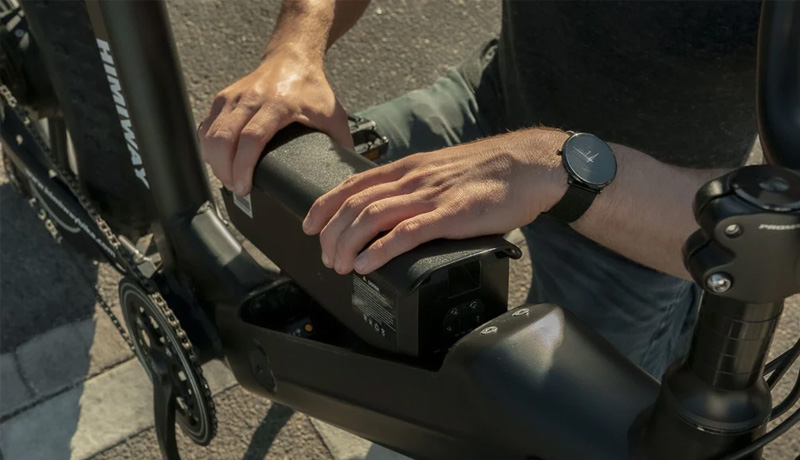
Even with perfect care, all batteries degrade over time. Ignoring the signs of a failing battery isn’t just inconvenient—it’s dangerous. Here’s when to replace your battery with a new ShunTongDa unit:
- 50% Range Drop: If your battery once went 60 miles per charge but now only hits 30, it’s time to replace it. Degraded cells can’t hold a charge—and they’re more prone to overheating.
- Longer Charging Times: A battery that used to charge in 4 hours but now takes 8+ hours indicates cell damage. Slow charging is a sign the battery is struggling to hold energy.
- Swelling or Bulging: A bulging battery is a fire hazard. Stop using it immediately—this means cells are leaking or expanding, and thermal runaway could happen at any time.
- Abnormal Heat: If the battery gets hot during charging or use (beyond a slight warmth), it’s faulty. Overheating cells are a precursor to fires.
- Warranty Expiration: ShunTongDa offers a 1-year warranty on all batteries. If your battery fails within this period, contact us for a free replacement. After the warranty, even if it still works, it’s safer to upgrade to a new unit.
Important: Never buy refurbished batteries. As we’ve seen, refurbished units use mismatched cells, lack BMS, and skip safety tests—they’re a ticking time bomb. Instead, choose a new ShunTongDa battery: it’s the only way to guarantee safety and performance.
8. Conclusion: Safe E-Biking Starts with the Right Battery
The U.S. e-bike market’s growth is a win for mobility, sustainability, and affordability—but it comes with a responsibility: choosing safe, reliable batteries. E-bike fires aren’t inevitable—they’re caused by cutting corners on battery quality, illegal modifications, or poor maintenance.
At ShunTongDa, we’re committed to making U.S. roads safer for e-bike users. Our Grade A cells, smart BMS, and global certifications eliminate fire risks, while our compatibility and durability meet the needs of every user—from commuters to delivery riders. With proper care, our batteries last years, saving you money and keeping you safe.
Ready to Upgrade to a Safe, Reliable E-Bike Battery?
Explore our full lineup of U.S.-compatible e-bike batteries—including models for Rad Power, Lectric XP, and Aventon. Enjoy free worldwide shipping (3-7 days for U.S. stock) and a 1-year warranty.
New users get 5% off their first order—use code SAFE5 at checkout!
Don’t let a faulty battery ruin your e-bike experience. Choose ShunTongDa, and ride with confidence—knowing your battery is built to power your journey, not put it at risk. The U.S. e-bike revolution is just getting started—make sure you’re part of it safely.