80% or 100%? The Definitive Guide to Maximizing Your E-Bike Battery Lifespan
Your e-bike battery represents a significant investment, and its longevity—measured in charge cycles before capacity noticeably drops—is paramount. The central question for every rider is: how should I charge it? We dive deep into the electrochemistry of lithium-ion cells to definitively answer the 80% versus 100% debate, providing clear, actionable steps to ensure your pack delivers reliable performance for thousands of miles.
Part I: The Chemistry of Degradation – Why Voltage Matters
Lithium-ion batteries degrade primarily through two mechanisms: **Calendar Aging (time) and **Cycle Aging (usage). Both are accelerated by high voltage and high temperature. The voltage directly correlates to the internal stress within the cell’s structure.
The Stress of Full Charge (100% State of Charge)
A cell charged to 100% (reaching approximately 4.2V per cell) is at its highest state of stress. The lithium ions are forced tightly into the graphite anode. This high-voltage environment encourages the formation of the Solid Electrolyte Interphase (SEI) layer to thicken more rapidly. A thicker SEI layer consumes lithium, reducing the available capacity and permanently accelerating degradation. Frequent full charging should be limited.
The Dangers of Deep Discharge (<20% State of Charge)
Conversely, letting the battery drop consistently below 20% (Deep Discharge) causes different stresses, potentially leading to copper dissolution on the anode and severe plating issues. This can critically damage the internal structure and significantly increase the risk of internal shorts and cell failure over time. Never run your battery to zero.
Part II: Daily and Long-Distance Charging Protocols
1. The 80% Rule Explained (The Daily Sweet Spot)
For everyday commutes where you only use 30-50% of your battery's capacity, charging only to 80% (which corresponds to a lower, less stressful voltage per cell) is the optimal strategy. This action keeps the battery away from its high-stress voltage ceiling, dramatically slowing the chemical aging process. If your charger doesn't have an 80% cutoff switch, simply use a timer and monitor the voltage periodically to stop the charge early.
2. When to Use the Full 100%
Reserve the full 100% charge for specific occasions:
- Extended Range Rides: Only charge to 100% right before a long tour where you know you will need every possible Wh.
- Calibration: Occasionally (every 30-40 cycles), a full charge is beneficial for the Battery Management System (BMS) to accurately recalibrate its cell balance and State of Charge (SoC) readings.
- Crucially: Never let the battery sit unused at 100% for more than a day or two, as this accelerates calendar aging immensely.
3. Preventing Deep Discharge and "Vampire Drain"
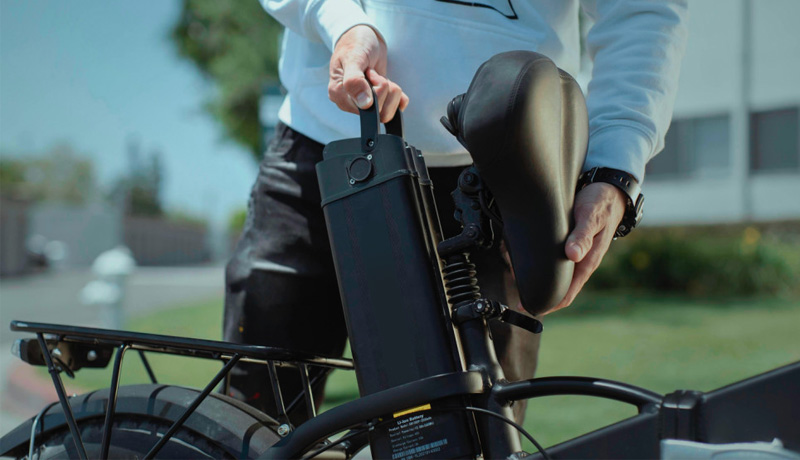
Always recharge the battery as soon as possible after a ride that dips below 25%. Also, be aware of parasitic drain; some displays or accessories continue to draw a small current even when the bike is off. If storing the bike for more than a week, remove the battery to prevent unexpected deep discharge.
Part III: Seasonal and Long-Term Storage Best Practices
Proper storage is essential for maintaining capacity during periods of non-use, especially over winter or during extended repairs.
4. The Ideal Storage Charge (50% to 60%)
If you plan to store your battery for a month or longer, charge or discharge it to approximately 50% to 60% State of Charge (around 3.7V to 3.8V per cell). This SoC is the most chemically stable state for lithium-ion cells, minimizing both high-voltage and low-voltage stress while providing enough residual charge to counter natural, slow self-discharge.
5. The Ideal Storage Environment (Cool and Dry)
Store the battery in a cool, dry place. The optimal storage temperature is between 32℉ and 68℉ (0℃ and 20℃). Heat is a catalyst for capacity loss. Avoid storing the battery in unheated garages, sheds, or basements where humidity and temperature swings are extreme.
6. The Check-Up Cycle
For very long storage periods (6+ months), check the battery's charge level every 3 to 6 months. If the voltage has dropped significantly due to self-discharge, give it a small top-up charge back to the 50-60% storage level. This prevents the battery from falling into the critical deep discharge zone.
Conclusion: Longevity is a Choice
Your e-bike battery’s longevity is less about luck and more about discipline. By understanding the simple principles of voltage stress and temperature control, you can proactively manage its health. Implementing the 80% rule for daily use and adhering to the 50-60% storage protocol are the two most powerful ways to secure a long, reliable life for your battery pack.
Need a High-Performance Battery Engineered for Longevity?
ShunTongDa Battery designs packs with intelligent BMS features that assist in managing these critical charging constraints. Our systems are built using premium cells to ensure maximum cycle life and consistent performance. Invest in a battery that is built to last the distance.