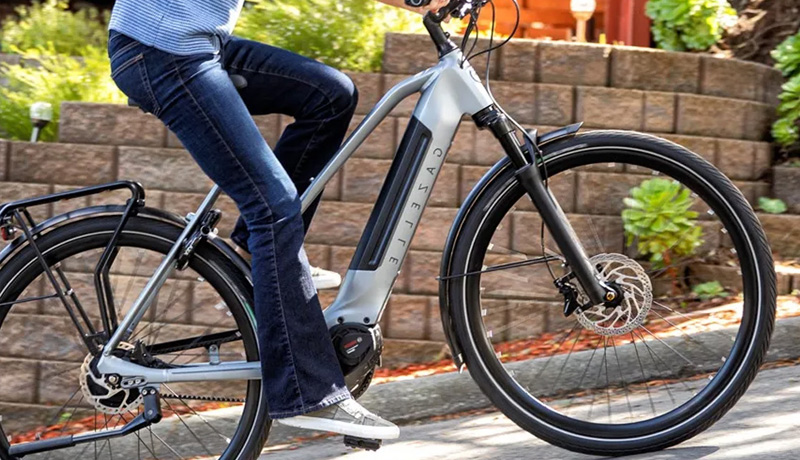
E-Bike Batteries | Replacement & Extended Range Options
By STDBattery TeamDecember 15th, 2025
E-Bike Batteries | Replacement & Extended Range Options
Electric bikes (e-bikes) have revolutionized urban commuting, outdoor adventures, and daily transportation—offering a eco-friendly, cost-effective alternative to cars and traditional bicycles. At the heart of every e-bike lies its battery: the lifeline that powers the motor, determines range, and impacts overall performance. Over time, even the best e-bike batteries degrade, leading to shorter distances per charge, slower acceleration, and frustration for riders. Whether you’re dealing with a aging battery or simply want to extend your e-bike’s range for longer trips, this guide covers everything you need to know about e-bike battery replacement, high-capacity upgrades, and range-extending solutions.
1. When to Replace Your E-Bike Battery
E-bike batteries—most commonly lithium-ion (Li-ion) variants—have a finite lifespan, typically measured in charge cycles (one full charge + one full discharge = one cycle). While quality Li-ion batteries can last 500–1,000 charge cycles (or 3–5 years with regular use), several signs indicate it’s time for a replacement:
Significant range loss: If your e-bike now travels 30%+ less distance per full charge than when new (e.g., from 50 miles to 35 miles), the battery’s capacity has degraded beyond practical use.
Longer charging times: A battery that once charged fully in 3–4 hours now takes 6+ hours to reach 100% indicates internal cell deterioration.
Erratic power delivery: Sudden drops in motor power, unexpected shutoffs, or fluctuating battery level readings (e.g., jumping from 50% to 10% in minutes) are red flags.
Physical damage: Swelling, leaking, or overheating during charging/driving means the battery is unsafe and must be replaced immediately.
Age: Even with light use, Li-ion batteries degrade over time due to chemical aging. If your battery is 4+ years old, replacement is likely necessary to restore performance.
2. E-Bike Battery Replacement: A Step-by-Step Guide
Replacing an e-bike battery isn’t overly complex, but it requires careful consideration to ensure compatibility, safety, and optimal performance. Follow these key steps:
2.1 Understand Your Current Battery Specifications
Before purchasing a replacement, gather critical details about your existing battery—these must match (or be compatible with) your e-bike’s motor and controller:
Voltage (V): The most important specification (common options: 36V, 48V, 52V). Using a battery with the wrong voltage can damage the motor or controller. Check the battery case, user manual, or e-bike manufacturer’s website.
Capacity (Ah): Measures energy storage (higher = longer range). Common capacities: 10Ah, 14Ah, 17Ah, 20Ah. You can upgrade to a higher Ah battery (e.g., from 14Ah to 17Ah) for extended range, as long as voltage matches.
Cell type: Most e-bike batteries use Li-ion cells (Li-ion, LiPo, LiFePO4). LiFePO4 batteries offer longer lifespan (1,000+ cycles) but are heavier; standard Li-ion balances weight and performance. Stick to the same cell chemistry unless your e-bike is designed for a different type.
Connector type: The battery must have the same connector (e.g., XT60, Anderson Powerpole, DC barrel) as your e-bike to ensure a secure fit. If unsure, take photos of the connector or bring the old battery to a retailer.
Physical dimensions & mounting: Measure the length, width, and height of your current battery—replacement must fit your e-bike’s battery compartment or rack. Note mounting brackets, screws, or straps.
2.2 Choose a Quality Replacement Battery
Not all e-bike batteries are created equal. Opt for reputable brands to avoid safety risks (e.g., overheating, fire) and ensure durability. Top manufacturers include:
Bosch (OEM for many premium e-bikes)
Shimano Steps
LG Chem (high-quality cells used in third-party batteries)
Samsung SDI
Panasonic
Third-party brands: Green Cell, Juiced Bikes, Rad Power Bikes (for compatible models)
Key factors to evaluate:
Certifications: Look for UN 38.3 (safety standard for Li-ion batteries), CE, or UL certifications to ensure compliance with global safety norms.
Warranty: A 1–2 year warranty indicates the manufacturer stands behind their product. Avoid batteries with no warranty or vague return policies.
Cell quality: Batteries using Grade A cells (new, unrefurbished) offer better performance and longer lifespan than Grade B/C cells.
2.3 Installation Tips
Most e-bike batteries are designed for tool-free or simple installation, but follow these precautions:
Turn off your e-bike and disconnect the old battery before removing it.
Clean the battery compartment and connectors to remove dirt, corrosion, or debris.
Align the new battery with the mounting points and secure it firmly (use brackets or straps as needed).
Connect the battery to the e-bike—ensure the connector clicks into place (never force it).
Test the battery: Turn on the e-bike, check the battery level display, and take a short test ride to confirm power delivery.
Note: If your e-bike has a proprietary battery system (e.g., Bosch, Shimano), consider professional installation to avoid voiding the warranty.
3. Extended Range Options for E-Bikes
If you want to go further without replacing your battery (or enhance a new battery’s range), these solutions can double or even triple your e-bike’s distance per charge:
3.1 High-Capacity Battery Upgrades
The simplest way to extend range is to replace your current battery with a higher Ah model (same voltage). For example:
A 36V 14Ah battery (504Wh = 36V x 14Ah) typically delivers 30–40 miles of range.
Upgrading to a 36V 20Ah battery (720Wh) increases range to 45–60 miles (depending on terrain and riding style).
For maximum range, look for “long-range” batteries (e.g., 36V 25Ah or 48V 20Ah) – ideal for commuters, tourers, or off-road riders.
3.2 E-Bike Battery Range Extenders
Range extenders are portable, secondary batteries that connect to your e-bike to supplement power. They’re perfect for:
Riders who need extra range occasionally (e.g., weekend trips) but don’t want a heavier primary battery.
Commuters with variable distances (e.g., 20 miles one way on weekdays, 50 miles on weekends).
Types of range extenders:
Plug-and-play external batteries: Attach to the e-bike’s frame or rack, connect via a compatible port, and switch between primary and extender batteries as needed. Brands like Topeak,驮包电池 (Tuobao Battery), and Juiced Bikes offer universal models.
Integrated dual-battery systems: Some high-end e-bikes (e.g., Surly Big Easy, RadRover 6 Plus) come with two battery slots, allowing you to use two batteries simultaneously for double the range.
3.3 Solar-Powered Charging Solutions
For eco-conscious riders or those venturing into remote areas, solar chargers offer a sustainable way to extend range. Options include:
Portable solar panels: Foldable panels (10–30W) that connect to your e-bike battery via USB or DC. Charge while riding (if mounted on the handlebars/rack) or during stops. Ideal for long-distance tours.
Solar-powered battery packs: Pre-charged via solar energy, these act as a backup power source. Brands like Goal Zero and Anker offer compact models compatible with most e-bikes.
Note: Solar charging is slower than traditional outlets (1–3 hours to add 10–15 miles of range), but it’s invaluable for off-grid adventures.
3.4 Riding Habits & E-Bike Modifications to Save Power
You can significantly extend range without spending money—just adjust your riding style and maintain your e-bike:
Use lower assist modes: Most e-bikes have 3–5 assist levels (Eco, Tour, Sport, Turbo). Eco mode uses 50%+ less power than Turbo and is sufficient for flat terrain.
Pedal more: Combine manual pedaling with assist to reduce battery load—especially on hills or headwinds.
Maintain optimal tire pressure: Underinflated tires increase rolling resistance, forcing the motor to work harder. Check pressure weekly (follow manufacturer’s recommendations).
Reduce weight: Remove unnecessary items from your e-bike (e.g., heavy bags, tools) to lighten the load.
Avoid extreme speeds: Wind resistance increases exponentially with speed—riding at 15–18 mph instead of 25 mph can extend range by 20–30%.
Keep the battery warm: Li-ion batteries perform poorly in cold weather (below 40°F/4°C). Store the battery indoors overnight and avoid charging in freezing temperatures.
Proper maintenance can maximize your e-bike battery’s lifespan and keep it performing at its best. Follow these tips:
Charge smartly: Avoid overcharging (unplug once fully charged—most modern chargers have auto-shutoff, but don’t leave the battery connected for 24+ hours). Also, avoid deep discharges: try to recharge when the battery level drops to 20–30% (not 0%). Partial charges (e.g., topping up from 50% to 100%) are better for Li-ion cells than full discharge-recharge cycles.
Store properly: If you’re not using the e-bike for weeks (e.g., winter storage), charge the battery to 40–60% first—this is the “safe zone” for Li-ion cells to minimize degradation. Store in a cool, dry place (50–70°F/10–21°C) away from direct sunlight, heat sources (e.g., radiators), or extreme cold.
Clean regularly: Wipe the battery case and connectors with a dry cloth to remove dust, dirt, or moisture. Corroded connectors can cause poor power transfer—if you see green/white buildup, gently clean with a cotton swab dipped in isopropyl alcohol (let it dry completely before reconnecting).
Avoid extreme conditions: Don’t expose the battery to temperatures above 104°F (40°C) or below 32°F (0°C) for extended periods. High heat accelerates cell aging, while freezing temperatures can permanently damage the battery’s capacity.
Use the right charger: Always use the charger provided by the battery or e-bike manufacturer. Using a non-compatible charger (e.g., wrong voltage, higher amperage) can overheat the battery, reduce lifespan, or cause safety hazards.
5. Common E-Bike Battery FAQs
Q: Can I use a battery with a higher voltage than my e-bike’s original battery?
A: No—using a higher voltage battery (e.g., 48V on a 36V e-bike) will damage the motor, controller, and electrical system. Voltage must match the e-bike’s specifications. Higher capacity (Ah) is safe as long as voltage is the same.
Q: How long does a replacement e-bike battery last?
A: Quality lithium-ion replacement batteries typically last 500–1,000 charge cycles (3–5 years with regular use). Lifespan depends on usage habits (e.g., charging frequency, discharge depth), storage conditions, and cell quality. LiFePO4 batteries can last 1,000+ cycles (5–7 years).
Q: Are third-party e-bike batteries safe?
A: Yes—if you choose reputable brands with safety certifications (UN 38.3, CE, UL). Avoid cheap, unbranded batteries (often sold on marketplaces for rock-bottom prices) as they use low-quality cells, lack overcharge/overheat protection, and pose fire risks. Always check reviews and warranty terms before buying.
Q: Can I repair a degraded e-bike battery instead of replacing it?
A: In most cases, no. E-bike batteries are made of multiple cells connected in series/parallel—if one or more cells fail, the entire battery’s performance drops. Cell replacement requires specialized tools, knowledge of battery chemistry, and matching cell specifications (voltage, capacity, internal resistance). For safety and cost-effectiveness, replacement is better than repair for most riders.
Q: How do I dispose of an old e-bike battery?
A: Lithium-ion batteries are hazardous waste and cannot be thrown in regular trash. Recycle them at designated facilities: check with your local waste management center, e-bike retailer, or electronics recycling programs (e.g., Best Buy, Home Depot). Many manufacturers also offer battery recycling programs—contact their customer service for details. Never puncture, burn, or short-circuit old batteries.
Q: Will a higher Ah battery make my e-bike heavier?
A: Yes—higher capacity batteries have more cells, so they’re slightly heavier. For example, a 36V 14Ah battery weighs ~6–7 lbs, while a 36V 20Ah battery weighs ~8–10 lbs. The tradeoff is longer range—most riders find the extra weight negligible for the convenience of fewer charges.
6. Choosing the Right Extended Range Solution for You
The best way to extend your e-bike’s range depends on your needs, budget, and riding habits. Here’s a quick breakdown to help you decide:
Occasional long trips: Opt for a portable range extender (plug-and-play external battery). It’s affordable, lightweight, and easy to add/remove when needed.
Regular long commutes (40+ miles/day): Invest in a high-capacity replacement battery (e.g., 48V 20Ah or 36V 25Ah). It provides consistent range without the hassle of carrying a secondary battery.
Off-grid adventures/touring: Combine a high-capacity battery with a solar charger. This ensures you can recharge anywhere there’s sunlight—perfect for multi-day trips.
Budget-conscious riders: Start with small changes: adjust your riding habits (use Eco mode, pedal more), maintain tire pressure, and optimize battery storage. These steps can extend range by 20–30% without extra cost.
7. Top E-Bike Battery Brands for Replacement & Extended Range
To save you time, here are trusted brands offering high-quality replacement batteries and range extenders:
7.1 OEM Brands (Original Equipment Manufacturer)
If you want a perfect match for your e-bike (e.g., Bosch, Shimano, Yamaha), OEM batteries are the safest choice. They’re designed specifically for your e-bike model and come with manufacturer warranties:
Bosch PowerPack: Available in 400Wh, 500Wh, 625Wh, and 750Wh capacities. Compatible with Bosch-equipped e-bikes (e.g., Trek, Specialized, Cannondale). Offers reliable performance and 2-year warranty.
Shimano Steps Batteries: 418Wh, 504Wh, and 630Wh options. Known for durability and seamless integration with Shimano motors. 2-year warranty.
Yamaha PWseries Batteries: 400Wh, 500Wh, and 600Wh models. Lightweight and long-lasting, compatible with Yamaha-powered e-bikes. 2-year warranty.
Third-party brands often offer better value and higher capacities than OEM batteries. Look for models with Grade A cells and safety certifications:
Green Cell: Universal replacement batteries (36V/48V, 10Ah–25Ah) compatible with most e-bike brands. UN 38.3 certified, 2-year warranty, and competitive pricing.
Juiced Bikes Batteries: High-capacity options (e.g., 52V 19.2Ah, 72V 17.5Ah) for commuters and off-road riders. Designed for Juiced e-bikes but offer universal adapters. 1-year warranty.
Rad Power Bikes Batteries: 48V 14Ah, 17Ah, and 20Ah models for Rad’s popular e-bikes (e.g., RadRover, RadCity). Also compatible with other 48V e-bikes via adapter. 1-year warranty.
LG Chem/ Samsung SDI Cells: Many third-party batteries use these premium cells—look for batteries explicitly stating “LG Grade A cells” or “Samsung 35E cells” for superior performance.
7.3 Range Extender Brands
Topeak PowerPack: Portable 10.4Ah and 14Ah range extenders. Compatible with most e-bikes, mounts to the frame, and includes a USB port for charging devices. 1-year warranty.
Juiced Bikes Range Extender: 52V 13Ah extender designed for Juiced e-bikes. Doubles range and connects via a dedicated port. 1-year warranty.
XGo Power Extender: Universal 36V/48V 10Ah extender. Lightweight (3.3 lbs) and compact, ideal for casual riders. UN 38.3 certified.
Your e-bike’s battery is its most critical component—investing in a quality replacement or extended range solution will enhance your riding experience, save money in the long run (avoid frequent replacements), and keep you on the road longer. Whether you’re a daily commuter, weekend adventurer, or long-distance tourer, there’s a battery solution tailored to your needs.
Remember: Proper maintenance is key to maximizing battery lifespan. By following charging best practices, storing correctly, and avoiding extreme conditions, you can get 3–5+ years of reliable performance from your e-bike battery.
Have questions about e-bike battery replacement or extended range options? Drop a comment below or contact our team—we’re here to help you find the perfect battery for your e-bike!