How to Choose the Right Replacement Ebike Battery: A Complete Guide for Every E-Bike
Your ebike’s battery is its heart—without a compatible, high-quality replacement, even the best electric bike will fail to deliver performance or range. But with so many options (36V vs. 48V, 10Ah vs. 21Ah, Hailong vs. triangle packs), choosing the right replacement battery can feel overwhelming. The key? Match your battery to your ebike’s unique specs and your riding needs. In this guide, we’ll break down the critical factors—from ebike type and motor power to battery compartment size and body weight—to help you find the perfect fit. Plus, we’ll highlight STDBattery’s top-compatible options, designed for durability, safety, and maximum range.
1. Start with Your Ebike Type: Different Styles Need Different Batteries
Ebikes come in diverse designs, each optimized for specific use cases—and each requiring a battery that fits its form factor and performance demands. Here’s how to match your bike’s style to a replacement battery:
Folding Ebikes (Lectric XP, Aventon Pace 500, Mate X)
Folding ebikes are compact, portable, and ideal for urban commuting or storage-limited spaces. Their batteries are typically lightweight, removable, and designed to fit tight frames. Look for:
- Voltage: 48V (most common for folding models like Lectric XP Step-Thru 1.0/2.0/3.0 and Aventon Pace 500)
- Capacity: 10.4Ah–17.5Ah (balance of portability and range)
- Form Factor: Slim, removable packs (e.g., DCH-006 or Reention Dorado compatible)
STDBattery Recommendation: 48V 14Ah Folding Ebike Battery for Lectric XP/Aventon Pace 500 – 672Wh capacity, 30A BMS, and a perfect fit for most folding frames.
City/Commuter Ebikes (Rad Power RadWagon, RadRunner Plus)
Commuter ebikes prioritize comfort, stability, and long-range for daily trips. They often use larger, rear-mounted or downtube batteries that balance capacity and ergonomics. Key specs:
- Voltage: 48V (standard for Rad Power models) or 52V (for extra torque)
- Capacity: 14Ah–21Ah (for 30–60km daily commutes)
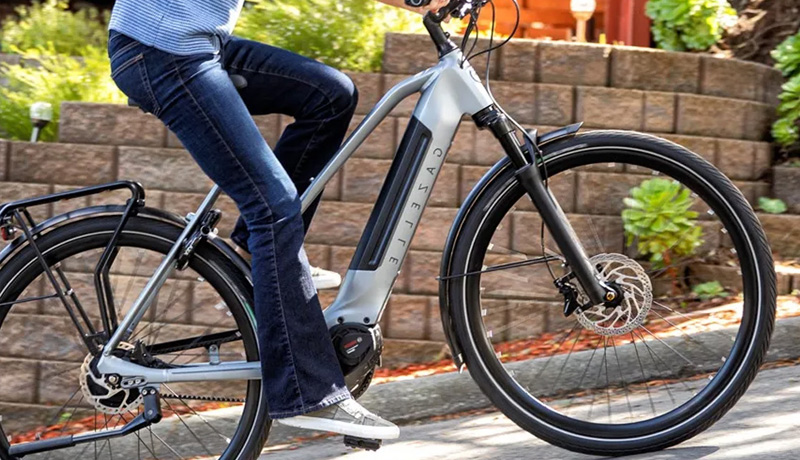
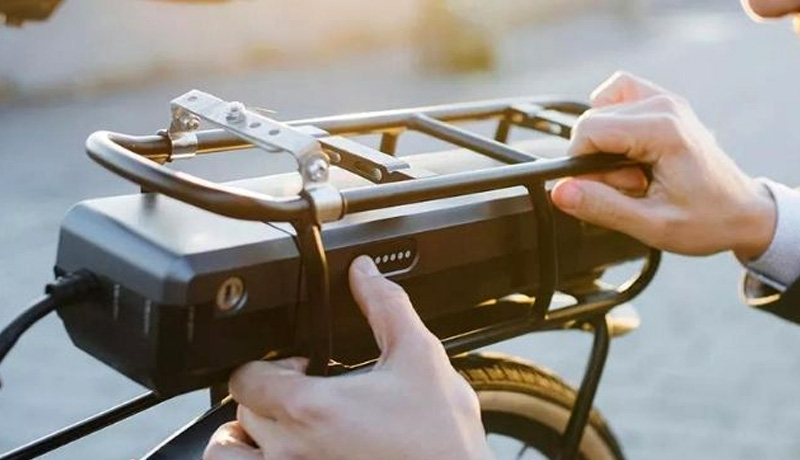
- Form Factor: Hailong packs (external rear rack) or integrated downtube batteries
STDBattery Recommendation: 48V 14Ah Rad Power Replacement Battery – Compatible with RadWagon, RadRunner Plus, and RadExpand models, featuring LG/Samsung cells and 30A BMS.
Fat Tire/Power Ebikes (Cyrusher XF690, Wallke H6, HITWAY BK10)
Fat tire ebikes are built for off-roading, rough terrain, or heavy loads. They require high-power batteries to support their larger motors and heavier frames. Look for:
- Voltage: 48V–52V (for 750W–1000W motors)
- Capacity: 17.5Ah–28Ah (max range for off-road adventures)
- Form Factor: Waterproof triangle packs or large rear rack batteries
STDBattery Recommendation: 52V 21Ah Waterproof Triangle Ebike Battery – 50A BMS, USB port, and fit for 1000W–2000W fat tire motors.
Tricycles/Electric Cargo Bikes
Cargo bikes and tricycles carry heavy loads (groceries, passengers, gear) and need batteries with high capacity and stable power delivery. Opt for:
- Voltage: 48V–60V (to handle 1000W+ motors)
- Capacity: 21Ah–40Ah (extended range for loaded trips)
- Form Factor: Large triangle packs or rear rack batteries with robust mounting
STDBattery Recommendation: 60V 40Ah High-Capacity Triangle Battery – Samsung 21700 cells, 100A BMS, and ideal for 3000W–5000W cargo bike motors.
Ebike Type & Battery Compatibility Chart <<<<
| Ebike Type |
Recommended Voltage |
Recommended Capacity |
STDBattery Model |
| Folding (Lectric XP, Aventon) |
48V |
10.4Ah–14Ah |
DCH-006 Folding Battery |
| Commuter (Rad Power) |
48V |
14Ah–17.5Ah |
Hailong External Battery |
| Fat Tire (Cyrusher, Wallke) |
52V |
17.5Ah–28Ah |
Triangle Waterproof Battery |
| Cargo/Tricycle |
60V–72V |
21Ah–40Ah |
High-Capacity Triangle Pack |
2. Match Battery Voltage to Your Ebike’s Motor Power
Motor power (measured in watts, W) and battery voltage (V) are inseparable—using a battery with the wrong voltage can damage your motor, BMS, or controller. Here’s the golden rule: Higher motor power requires higher battery voltage to deliver sufficient current (amps) for torque and speed.
Motor Power & Voltage Compatibility
- 250W–350W Motors (Entry-level commuters, folding bikes): 36V batteries (e.g., 36V 10.5Ah Hailong Battery) – Ideal for casual riding and short trips (20–30km range).
- 500W–750W Motors (Mid-range commuters, Aventon Pace 500, Rad Power): 48V batteries (most popular option) – Balances power and efficiency, delivering 30–50km range.
- 1000W–1500W Motors (Fat tire bikes, off-road models): 52V–60V batteries – Provides extra torque for hills, rough terrain, or heavy loads (40–70km range).
- 2000W+ Motors (Cargo bikes, high-performance ebikes): 60V–72V batteries – High-voltage packs for maximum power (e.g., 72V 30Ah Battery for 3000W–5000W motors).
Pro Tip: Never use a lower-voltage battery with a high-power motor (e.g., 36V with 1000W) – it will overwork the battery, cause overheating, and shorten lifespan. STDBattery’s replacement batteries are tested to match motor power ratings, with built-in 30A–150A BMS to prevent damage.
3. Measure Your Battery Compartment Size (Critical for Fit)
Even if a battery matches voltage and motor power, it won’t work if it doesn’t fit your ebike’s battery compartment. Follow these steps to ensure a perfect fit:
Step 1: Identify Your Current Battery’s Form Factor
Common ebike battery form factors include:
- Hailong Battery: Rectangular, rear rack-mounted (4-pin base, common in Rad Power, Evelo Compass) – Standard dimensions: ~150mm x 85mm x 190mm.
- Triangle Pack: Fits in the bike’s downtube triangle (waterproof, common in fat tire/cargo bikes) – Measure length x width x height of the triangle space.
- DCH-006/Reention Dorado: Slim, removable packs (folding bikes like Lectric XP, Fiido M1 Pro) – Check for 2-pin or 3-pin connectors.
Step 2: Measure Key Dimensions
Use a tape measure to record:
- Length (L): Distance from front to back of the compartment
- Width (W): Distance from side to side
- Height (H): Distance from top to bottom
- Connector Type: Number of pins (2-pin, 3-pin, 4-pin) and shape (XT60, DC port)
ShunTongDa Battery Advantage: We offer custom-made battery solutions for non-standard compartments, with low MOQ and 3–5 day sample turnaround. Our Hailong batteries are universal for most rear rack-mounted ebikes, with pre-fitted bases for easy installation.
4. Account for Your Weight & Riding Load
Your body weight and any additional load (backpack, groceries, passengers) directly impact battery range and performance. Heavier loads require the motor to work harder, draining the battery faster. Here’s how to adjust capacity based on weight:
Weight vs. Recommended Battery Capacity (48V Motor, Flat Terrain)
- Rider weight < 70kg (154lbs): 10.4Ah–14Ah (30–40km range)
- Rider weight 70–90kg (154–198lbs): 14Ah–17.5Ah (40–55km range)
- Rider weight > 90kg (198lbs) + load: 17.5Ah–28Ah (55–75km range)
Example: A 95kg rider with a 10kg backpack on a 750W commuter bike will need a 48V 17.5Ah battery (vs. 14Ah for a 70kg rider) to maintain 50km range. STDBattery’s high-capacity options (e.g., 48V 30Ah, 52V 28Ah) are perfect for heavy riders or cargo-focused trips.
5. Calculate Desired Range: Choose Capacity (Ah) Wisely
Range is the top concern for most ebike riders—and it’s determined by battery capacity (amp-hours, Ah) and energy density (watt-hours, Wh = V x Ah). Use this simple formula to estimate your needed capacity:
Required Wh = (Desired Range in km) x (Ebike Power Consumption in Wh/km)
Estimate Your Ebike’s Power Consumption
- 250W–500W Commuter Bike: 15–20 Wh/km (flat terrain, light rider)
- 750W–1000W Fat Tire Bike: 25–35 Wh/km (hills, heavy rider)
- 1000W+ Cargo Bike: 35–50 Wh/km (heavy load, rough terrain)
Example Calculations
- Desired Range: 40km on a 750W commuter bike (25 Wh/km) → Required Wh = 40 x 25 = 1000 Wh → Battery: 48V 21Ah (48x21=1008 Wh)
- Desired Range: 60km on a 1000W fat tire bike (30 Wh/km) → Required Wh = 60 x 30 = 1800 Wh → Battery: 52V 34.6Ah (52x34.6=1800 Wh) or 60V 30Ah (60x30=1800 Wh)
STDBattery’s Long-Range Picks: 52V 28Ah Triangle Battery (1456 Wh) or 60V 40Ah High-Capacity Pack (2400 Wh) – Perfect for riders seeking 70km+ range.
6. Additional Factors: Battery Type, Safety, & Compatibility
Battery Cell Type: 18650 vs. 21700 vs. LiFePO4
STDBattery uses only Grade A cells from LG, Panasonic, Samsung, or Sony—available in 18650 (3.7V, compact) or 21700 (3.7V, higher energy density) formats. For maximum safety, choose LiFePO4 (lithium-iron phosphate) batteries, which resist overheating, have 2000+ charge cycles, and are non-toxic (meets CE, ROHS, UN38.3 certifications).
BMS & Charger Compatibility
Ensure your replacement battery has a BMS (Battery Management System) rated for your motor (30A+ for 500W–750W, 50A+ for 1000W+). Use the charger provided by STDBattery (2A–3A fast chargers) to avoid overcharging—our batteries include a matching charger for seamless compatibility.
Warranty & After-Sales Support
Choose a battery with a reliable warranty to protect your investment. STDBattery offers 1-year warranty, 15-day return policy, and 24/7 technical support. We also have local repair centers and free worldwide shipping (3–7 days for US/UK/AU stock, 10–20 days for China stock) to ensure peace of mind.
Final Checklist: Ensure You’re Choosing the Right Battery
- Confirm your ebike’s type (folding, commuter, fat tire) and form factor.
- Match battery voltage to motor power (36V=250W–750W, 48V=250W–1000W, 52V+=1000W+).
- Measure battery compartment dimensions and connector type.
- Calculate required capacity based on weight and desired range.
- Choose Grade A cells (LG/Samsung) with LiFePO4 chemistry and certified safety.
- Opt for a trusted brand with warranty and after-sales support (like ShunTongDa Battery).
With these steps, you’ll select a replacement battery that fits perfectly, performs reliably, and extends your ebike’s lifespan. Whether you need a compact folding bike battery, a long-range commuter pack, or a heavy-duty cargo bike battery, STDBattery has you covered—with 100% testing before shipping, custom solutions, and free global delivery. Power your ride with confidence.