Understanding Lithium-Ion Batteries: Technology, Applications and Safety
Lithium-ion batteries have revolutionized modern energy storage, powering everything from smartphones to electric vehicles. These rechargeable power sources combine high energy density with lightweight design, making them the preferred choice for countless applications. This comprehensive guide explores the technology behind lithium-ion batteries, their diverse uses, and essential safety considerations.
What Are Lithium-Ion Batteries?
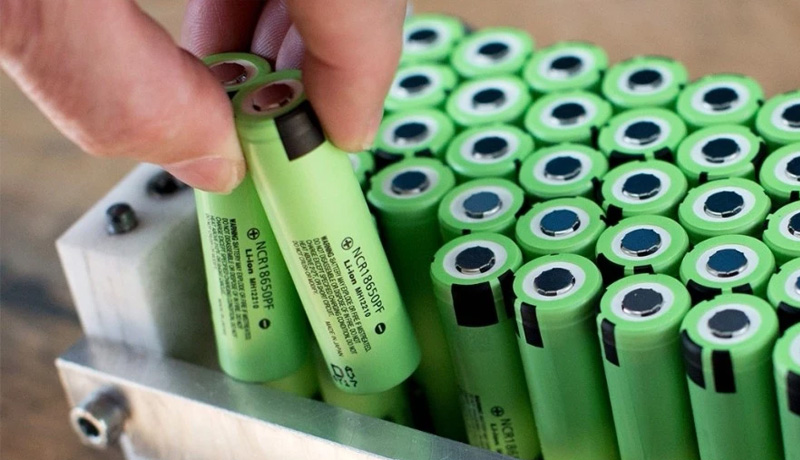
Lithium-ion (Li-ion) batteries are advanced rechargeable energy storage devices that utilize the reversible movement of lithium ions between electrodes to generate electrical current. Unlike disposable batteries, Li-ion batteries can undergo hundreds of charge-discharge cycles, making them both economical and environmentally friendly for long-term use.
How Lithium-Ion Batteries Work
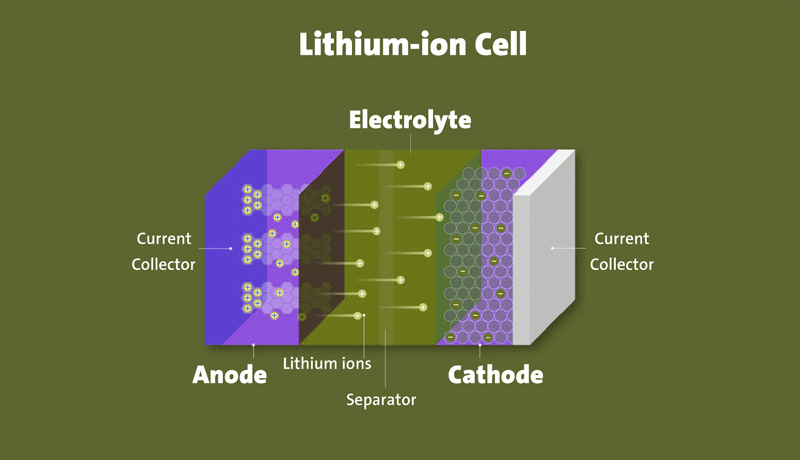
The fundamental operation of Li-ion batteries relies on four key components working in harmony:
- Anode (Negative Electrode): Typically made of graphite, stores lithium ions when charged
- Cathode (Positive Electrode): Usually composed of lithium metal oxide, receives lithium ions during discharge
- Electrolyte: Lithium salt solution that facilitates ion movement between electrodes
- Separator: Porous membrane that prevents physical contact between anode and cathode while allowing ion passage
During discharge, lithium ions move from the anode to the cathode through the electrolyte, generating electrical current that powers connected devices. When charging, external power reverses this process, driving ions back to the anode for storage.
Key Characteristics and Advantages
High Energy Density
- Store more energy per unit weight than other rechargeable technologies
- Enable compact, lightweight device designs without sacrificing runtime
- Ideal for portable electronics and electric vehicles where weight matters
Long Cycle Life
- Withstand 500-1000+ charge-discharge cycles before significant capacity loss
- Maintain 80% of original capacity after typical usage periods
- Provide years of reliable service with proper care and maintenance
Low Self-Discharge
- Lose only 1-2% of charge per month when not in use
- Superior shelf life compared to nickel-based batteries (10-15% monthly loss)
- Ready to use after extended storage periods
Rapid Charging Capability
- Accept fast charging without significant damage to battery chemistry
- Modern Li-ion technologies support ultra-fast charging protocols
- Adaptable charging rates based on application requirements
Common Applications and Uses
Consumer Electronics
- Smartphones and Tablets: Compact power for all-day usage
- Laptops and Ultrabooks: High capacity for mobile computing
- Wearable Devices: Miniature cells for smartwatches and fitness trackers
- Power Tools: High discharge rates for cordless equipment
Electric Transportation
- Electric Vehicles (EVs): Propulsion and auxiliary power systems
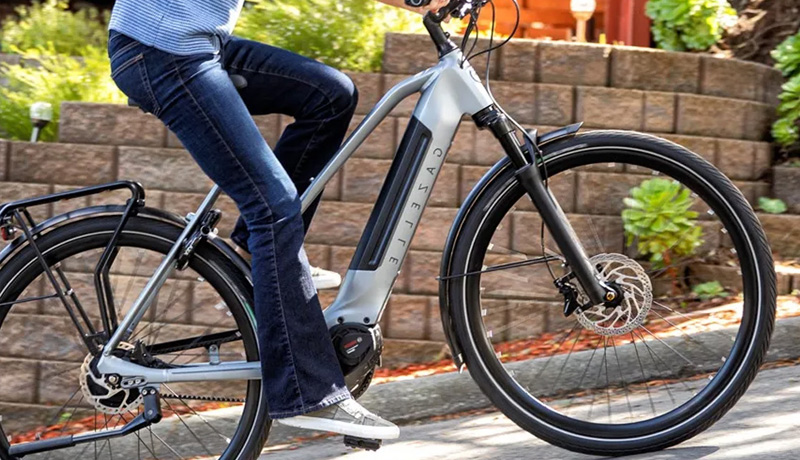
- Electric Bicycles: Lightweight power for pedal assistance
- Electric Scooters: Urban mobility solutions
- Public Transportation: Electric buses and trains
Energy Storage Systems
- Residential Storage: Home battery systems for solar energy storage
- Grid Stabilization: Utility-scale storage for peak demand management
- Backup Power: Uninterruptible power supplies for critical infrastructure
- Remote Power: Off-grid energy solutions for telecommunications
Safety Considerations and Best Practices
Temperature Management
- Avoid exposure to temperatures above 60°C (140°F)
- Prevent charging below 0°C (32°F) to avoid lithium plating
- Store batteries in cool, dry environments away from direct sunlight
Charging Safety
- Use only manufacturer-approved chargers
- Avoid overcharging beyond recommended voltage limits
- Monitor batteries during charging and disconnect when full
Physical Protection
- Protect from punctures, crushing, or severe impacts
- Avoid exposure to water or moisture
- Inspect regularly for swelling, leakage, or damage
Proper Disposal and Recycling
- Never dispose of in regular household waste
- Utilize authorized battery recycling facilities
- Follow local regulations for battery disposal
Future Developments and Trends
Lithium-ion technology continues to evolve with ongoing research focusing on:
- Solid-State Batteries: Replacing liquid electrolytes with solid materials for enhanced safety
- Silicon Anodes: Increasing energy density beyond current graphite limitations
- Sustainability: Developing recycling technologies and reducing rare material usage
- Fast Charging: Reducing charging times while maintaining battery longevity
Conclusion
Lithium-ion batteries represent a remarkable achievement in energy storage technology, enabling the portable electronics revolution and driving the transition to electric transportation. Their unique combination of high energy density, long cycle life, and reliability makes them indispensable in our modern world. However, understanding their proper use, limitations, and safety requirements is crucial for maximizing their benefits while minimizing risks.
As research continues to push the boundaries of energy storage, lithium-ion technology will likely remain at the forefront, powering innovation across multiple industries and contributing to a more sustainable energy future.
For professional guidance on lithium-ion battery selection and applications, consult our technical experts for personalized recommendations.