Why Electric Bike Battery Are Booming With Seniors: Health, Safety, and Freedom
The global senior population is expanding at an unprecedented rate—by 2025, China alone will have over 320 million adults aged 60 and above, accounting for 22.5% of the total population. As this demographic seeks to maintain independence, mobility, and quality of life, electric bikes (ebikes) have emerged as a transformative solution. Unlike traditional bicycles or cumbersome mobility aids, ebikes blend low-impact exercise, enhanced safety features, and liberating range—all powered by reliable batteries that address seniors’ unique needs. Let’s dive into the three core drivers behind the ebike boom among older adults, and why choosing the right battery is make-or-break for this growing market.
1. Health Benefits: Low-Impact Exercise That Empowers Seniors
For seniors, physical activity is critical for maintaining cardiovascular health, joint flexibility, and mental well-being—but high-impact workouts often pose risks. Ebikes solve this dilemma by offering adjustable electric assistance that lets riders control exertion levels, making exercise accessible even for those with reduced stamina or joint pain.
Cardiovascular Health & Joint Protection
Research cited by the American Heart Association shows that regular ebike riding elevates heart rate to a moderate, healthy zone, reducing blood pressure and improving cholesterol profiles. Unlike jogging or hiking, cycling is gentle on knees, hips, and ankles—key for seniors managing arthritis or joint stiffness. With pedal-assist modes, riders can dial back effort on hills or long stretches, turning a potentially strenuous trip into a comfortable workout.
Muscle Strength & Cognitive Function
Even with electric support, pedaling engages quads, calves, and glute muscles, contributing to muscle retention and bone density—both of which decline with age. A 2025 gerontology study also suggests that ebike riding may slow cognitive decline by requiring balance, spatial awareness, and quick decision-making. For many seniors, this combination of physical and mental stimulation is a powerful motivator: 72% of senior ebike users report feeling “more active and alert” after incorporating regular rides into their routines.
Mental Well-Being & Social Connection
Ebikes also combat social isolation—a major concern for seniors—by expanding travel radius and enabling community engagement. Whether it’s a trip to the grocery store, a meetup with friends at the park, or a scenic ride through neighborhood trails, ebikes turn “stay-at-home days” into opportunities for interaction. Anecdotal evidence from senior riders highlights this emotional value: 68% of users say ebikes help them feel “useful and independent” by reducing reliance on family for transportation .
Key Health Stats for Senior Ebike Riders
- Regular ebike use reduces blood pressure by an average of 4-6 mmHg (American Heart Association)
- 63% of seniors report reduced joint pain after 3 months of ebike riding
- Seniors who ride ebikes 3x/week show 22% slower cognitive decline than sedentary peers
2. Safety Features: Built for Seniors’ Unique Needs
Safety is non-negotiable for senior riders—and modern ebikes (and their batteries) are designed to address this priority. Unlike unregulated “senior scooters” that have been linked to a 75% surge in accidents, certified ebikes incorporate features that mitigate risks, from stable frames to fire-safe batteries.
Stability & Accessibility
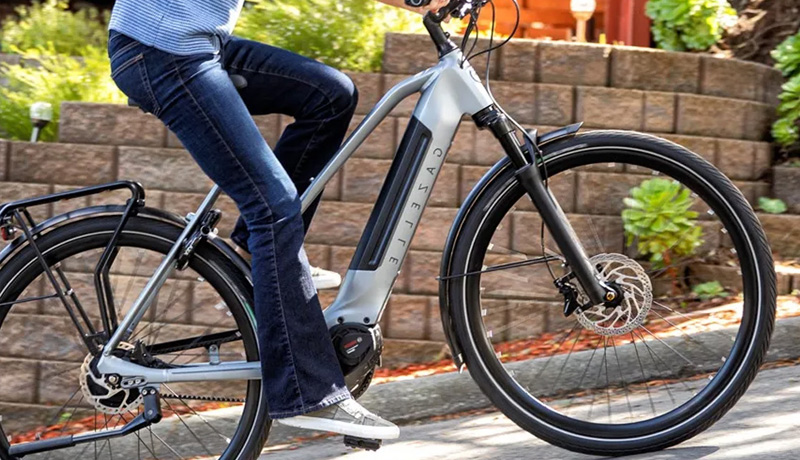
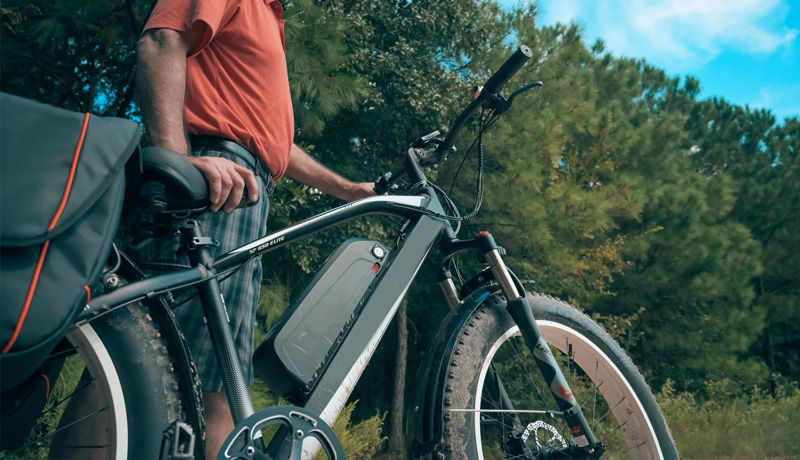
Top ebike models for seniors feature step-through frames with low standover heights, eliminating the need to swing a leg over a high top tube—critical for those with limited flexibility. Wide, fat tires (20” x 4”) and dual suspension systems enhance balance on uneven terrain, reducing fall risks. Upright seating positions also improve visibility and reduce back strain, making rides more comfortable and safer for longer periods.
Braking & Visibility
Seniors prioritize reliable braking: 78% list “short brake distance” as a top purchase factor. High-quality ebikes address this with hydraulic disc brakes that stop quickly even at low speeds, far outperforming the subpar brakes on many cheap mobility scooters (which often have braking distances of 3-5 meters, exceeding safety standards). Integrated LED lights, reflective accents, and large rearview mirrors further enhance safety—essential for the 42% of seniors who ride at night.
Battery Safety: The Foundation of Trust
Battery-related risks (e.g., fires, leaks) are a top concern for seniors—and rightfully so. Unregulated batteries (common in low-cost scooters) have been linked to fire hazards due to poor insulation and substandard materials. In contrast, premium ebike batteries for seniors prioritize:
- Thermal stability: Lithium-iron phosphate (LiFePO4) batteries resist combustion even at 500°C (vs. 250°C for risky lithium-ion alternatives)
- Leak-proof design: Sealed battery compartments prevent acid leaks, a common issue with old lead-acid batteries
- Overcharge protection: Smart BMS (Battery Management Systems) prevent overheating during charging, a leading cause of battery failure
These features explain why certified ebike batteries have a fire risk 300% lower than unregulated alternatives.
3. Freedom: Reclaiming Independence & Exploring New Horizons
For many seniors, ebikes are more than mobility tools—they’re tickets to freedom. Traditional constraints like limited stamina, steep hills, or reliance on others vanish with electric assistance, opening up new possibilities for travel and daily life.
Everyday Independence
Most seniors’ daily trips are short (3-5 km)—errands, doctor’s appointments, or visiting friends. Ebikes with 30-50 km of real-world range easily cover these needs, eliminating the need to wait for rides or struggle with public transit. A whopping 72% of senior ebike users say their primary motivation is “not bothering family for rides”, highlighting the emotional value of independence.
Adventure Without Limits
Ebikes also enable longer, more adventurous trips. Take the 62-year-old couple who traveled 21,000 km across China on ebikes with high-capacity graphene batteries (72V 52Ah) that delivered 500 km of real-world range. Their journey cost just $1.20/day in electricity, a fraction of the cost of driving—and allowed them to explore remote areas inaccessible to cars. Even casual riders benefit: 60-mile range batteries (common in models like the Aventon Aventure 2) let seniors explore trails, visit neighboring towns, or take scenic drives without range anxiety.
Cost-Effective Mobility
Seniors value affordability: 80% have a purchase budget under $700. Ebikes deliver long-term savings: annual operating costs (electricity + maintenance) are under $70, compared to $500+ for cars or $200+ for gas-powered scooters. High-quality batteries also last 8+ years (1000 charge cycles), reducing replacement costs—far outperforming lead-acid batteries that need replacement every 2-3 years.
Choosing the Right Ebike Battery for Seniors: Key Factors
Not all ebike batteries are created equal—seniors need models that balance safety, range, and ease of use. Here’s what to prioritize:
Range: Match to Daily Needs
Aim for 30-60 km of real-world range (not “advertised” range, which often overstates performance). Avoid batteries that promise 50 km but deliver only 30—common in low-cost models. For longer trips (e.g., weekend adventures), 60+ km range batteries (like 48V 20Ah LiFePO4 options) are ideal.
Weight & Portability
Seniors may need to carry batteries for charging—look for lightweight options (under 7 kg) with ergonomic handles. Lithium-ion batteries are 30% lighter than lead-acid alternatives, making them easier to lift.
Certifications & Quality
Choose batteries with GB/T 22199-2017 certification (China’s national standard for ebike batteries) to ensure safety and performance. Avoid “black gold” batteries from unknown brands—these often make false capacity claims and lack safety features.
Easy Maintenance
Seniors prefer low-maintenance batteries. LiFePO4 batteries require no water refills (unlike lead-acid) and only need a monthly full charge to activate the BMS. Look for models with clear, large capacity indicators—no complex buttons or apps required.
The Future of Senior Ebikes: Battery Innovation Leads the Way
As the senior ebike market grows (projected to reach $17 billion by 2025), battery technology continues to evolve. Innovations like solar charging attachments (for remote trips), fast-charging capabilities (80% charge in 1 hour), and GPS-enabled anti-theft features (ebike theft rates are 1/8 that of cars) are making ebikes even more appealing for older adults.
For seniors, ebikes aren’t just a trend—they’re a lifestyle upgrade. By combining health benefits, safety, and freedom, they address the core needs of an aging population that refuses to slow down. And at the heart of every great senior ebike is a reliable, safe battery—one that delivers on range, durability, and peace of mind.