How Can I Get Myself a New Battery for My Old E-Bike?
As e-bikes age, replacing the battery is inevitable. However, finding a compatible replacement isn't as simple as matching voltage. You need to verify three critical, non-negotiable factors to ensure safety and function.
If your trusty e-bike is a few years old, you are likely experiencing range anxiety. Lithium-ion batteries naturally lose capacity over time, and getting a new battery is the single best upgrade you can make to breathe new life into your ride. But beware: an incompatible battery can damage your motor controller or simply fail to fit.
Follow this five-step checklist to ensure you get a safe, compatible, and high-performance replacement battery.
Step 1: Determine the Crucial Voltage (The Non-Negotiable)
The voltage of your new battery must match the voltage of your old battery and your motor controller. There is virtually no flexibility here.
- Find the Nominal Voltage: Check the label on your old battery or charger. It will be labeled as 36V, 48V, 52V, or 72V.
- Maximum Voltage: The maximum charging voltage is determined by the nominal voltage (e.g., a 48V nominal battery charges up to 54.6V). When buying, confirm the supplier's new battery is wired with the correct Series (S) configuration to match your system.
Warning: Connecting a higher voltage battery (e.g., a 52V battery to a 48V controller) will often immediately damage the motor controller unless the controller is explicitly rated for the higher voltage.
Step 2: Identify the Physical Mounting Style
The physical case and the mounting cradle must be identical or compatible. This ensures the battery locks securely and makes the necessary electrical contact.
Common mounting types include:
- Hailong/Shark Case: The most popular style, designed to slide onto a cradle attached to the downtube. You must match the specific model number (e.g., HL-1, HL-2, or HL-3) of the mounting plate, as they are not always interchangeable.
- Rear Rack Battery: Used on utility bikes; slides onto a carrier cradle.
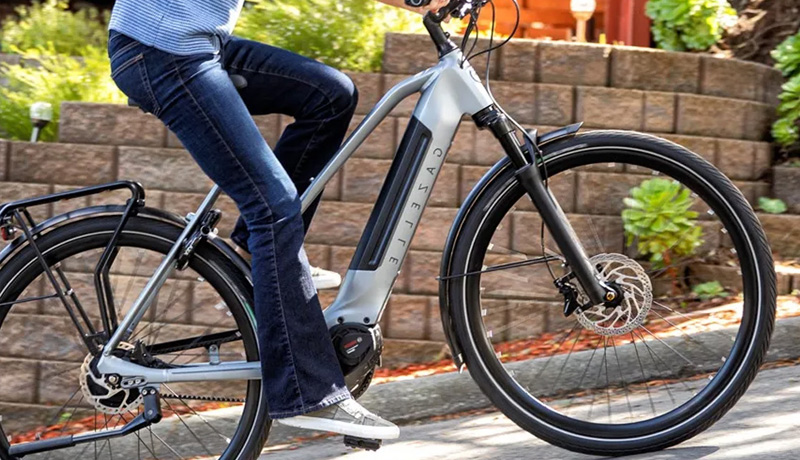
- In-Frame Integrated: Hidden inside the bike frame. These are the most difficult to replace and often require sourcing from the original bike manufacturer or a custom builder.
Recommendation: Take a clear photo of your battery mounting cradle (the piece attached to the bike frame) and send it to your battery supplier for verification.
Step 3: Confirm the Discharge Connector Type
This is the plug that sends power from the battery to your motor controller. You cannot use the bike without the correct plug.
Common connectors are:
- XT90/XT60: Yellow nylon plugs, popular for high-power applications.
- Anderson: Square or rectangular plastic connectors (often grey or red), common on conversion kits.
- Bullet/Barrel Connectors: Less common but sometimes found on budget packs.
Crucial Tip: If the replacement battery uses a different connector than your old one, ask the supplier if they can pre-install the correct one, or ensure they provide the mating connector so you can solder it onto your controller harness.
Step 4: Decide on Capacity (The Amperage/Ah Upgrade)
Once Voltage and Fit are confirmed, you can choose capacity. Capacity (measured in Amp-hours or Ah) determines your range. You can always upgrade capacity safely!
- Safety: Upgrading from 10Ah to 20Ah is perfectly safe. It simply means you can ride twice as far. It does not harm your controller; the controller only draws the current (Amps) it needs.
- Cell Type: Look for reputable cells, such as Samsung, LG, or Panasonic. These are safer, last longer, and provide more stable performance than generic "no-name" cells.
Step 5: Consider a Custom or Local Build
If your old battery case or mounting plate is obsolete, finding a mass-produced replacement may be impossible. This is where professional custom battery builders come in.
A custom builder can:
- Transfer the BMS: If your old BMS is still good, they can transfer it into a new case with new, high-quality cells.
- Re-cell the Pack: They can open your old case, replace the degraded cells with new ones, and reseal it, ensuring the mounting and connectors remain perfectly compatible.
- Provide Consulting: They can advise on upgrading your system (e.g., moving from a Hailong case to a larger Triangle bag for massive range).
Your Safety is Paramount
Never attempt to force an incompatible battery into a mounting plate. Forcing the connection can lead to internal short circuits and fire hazards. Always prioritize perfect mechanical fit and voltage match.
Conclusion
Getting a new battery for an older e-bike requires meticulous attention to detail. By verifying your system's voltage, mounting style, and connector type, you can confidently shop for a replacement that will revitalize your e-bike and provide years of new service. If in doubt, always consult with a battery expert.