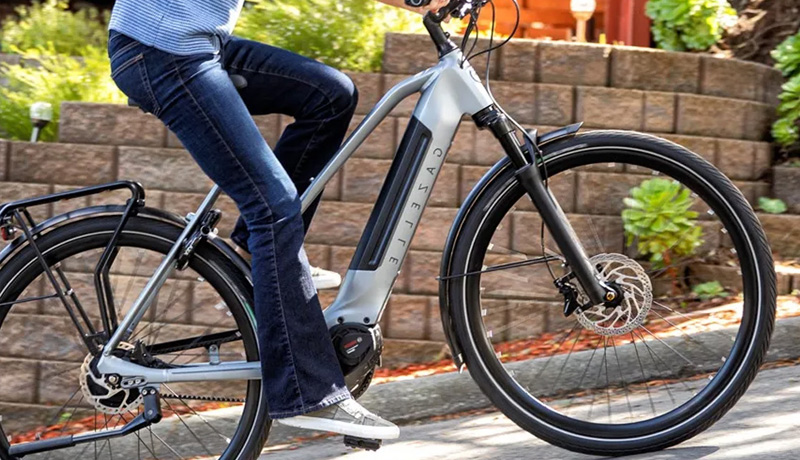
LG vs. Samsung vs. Panasonic: The Ultimate Technical Comparison of E-Bike Battery Cells.
The true performance, safety, and longevity of your e-bike battery are not determined by the plastic casing, but by the quality of the individual lithium-ion cells inside. In the premium e-mobility sector, three giants dominate the cell manufacturing landscape: LG Energy Solution, Samsung SDI, and Panasonic. Choosing the right cell type is a technical decision that hinges on balancing two competing factors: Energy Density (Range) and Power Output (Torque). We provide a rigorous comparison to help you understand which cell chemistry best suits your riding demands.
Part I: Key Metrics of Cell Performance
When comparing cells, three metrics are crucial:
- Energy Density (Wh/kg): Determines how much energy (range) the cell stores relative to its weight. Higher density means longer rides for the same size pack.
- Power Output (C-rate): Defines the maximum continuous current the cell can safely discharge. Higher C-rates mean better performance for steep hills and aggressive acceleration (high torque).
- Cycle Life: The number of full charge/discharge cycles the cell can endure before its capacity drops below a specified threshold (e.g., 70% or 80%).
The industry is currently transitioning from the older 18650 format (18mm diameter, 65mm length) to the larger 21700 format, which offers roughly 30-50% more energy capacity per cell, increasing both range and thermal stability.
Part II: Deep Dive into the Top Tier Brands
1. Samsung SDI: The Power Specialist
Samsung SDI is frequently chosen for high-performance e-MTBs and speed pedelecs due to its exceptional C-rate capabilities. Samsung often engineers its cells (such as the popular 50E or 40T series) to withstand high continuous current draws, ensuring that powerful motors (like those found in cargo bikes or high-speed models) receive immediate, stable energy without excessive voltage sag.
- Strength: Superior Power Output and thermal management under high load.
- Ideal For: High-torque applications, heavy riders, and e-bikes with powerful mid-drive motors.
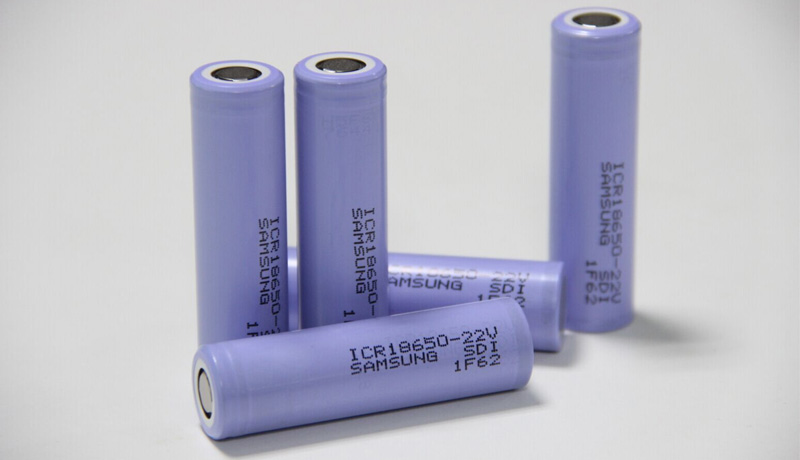
Samsung 18650 Cells
2. LG Energy Solution (LG Chem): The Balanced Performer
LG is known for achieving an excellent equilibrium between high energy density and reliable power output. LG cells are favorites for premium commuter and trekking e-bikes because they deliver impressive range without sacrificing the necessary torque for urban environments and modest climbs. Their manufacturing consistency is globally recognized, making them a benchmark for overall quality and reliability in commercial applications.
- Strength: Consistent Quality Control, excellent balance of energy and power.
- Ideal For: Everyday commuting, touring, and riders prioritizing consistent long-range performance.
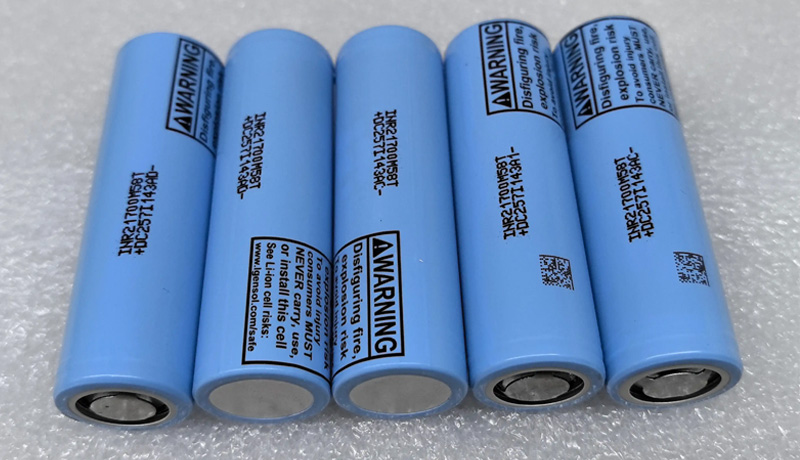
LG 18650 Cells
3. Panasonic: The Longevity and Durability Champion
Panasonic, with its deep roots in the automotive sector, prioritizes long-term stability and cycle life. While some Panasonic models might not offer the absolute highest C-rate compared to Samsung, their cells are engineered for maximum durability and are renowned for retaining capacity better over thousands of cycles. This makes them a strong choice for systems where reliability and years of service are the main concerns.
- Strength: Excellent longevity, superior resistance to calendar aging, and high durability.
- Ideal For: Standard commuter bikes, fleet applications requiring minimal replacement, and users focused on maximum lifespan.
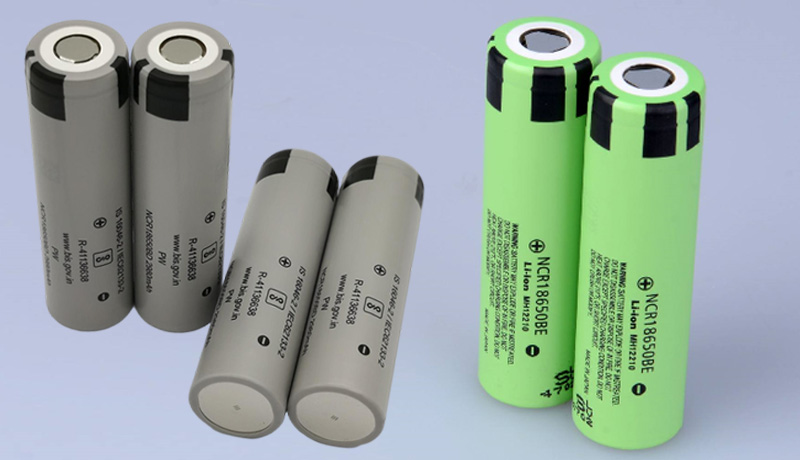
Panasonic 18650 Cells
Comparative Performance Data
To fully visualize the differences in performance characteristics, riders must look beyond simple capacity numbers and analyze the technical specifications provided by the manufacturer.
As illustrated, the choice requires understanding your riding profile. A mountain biker needs the high power of a Samsung-heavy pack, while a long-distance tourer benefits most from the high energy density of an LG or Panasonic pack.
Part III: Avoiding the Counterfeit Cell Danger
The biggest risk when purchasing aftermarket batteries is the proliferation of counterfeit or "recycled" cells deceptively labeled with major brand names. These cells are fundamentally unsafe, possessing high internal resistance and dangerously low current limits. Always insist on verifiable proof of provenance directly from the manufacturer's supply chain.
At ShunTongDa Battery, we mitigate this risk entirely by sourcing Grade-A cells directly from certified distributors, ensuring every pack contains the genuine, tested performance promised by these world-class manufacturers.
FAQ
Q: Which e-bike battery cell brand is best — LG, Samsung, or Panasonic?
A: There is no single "best" — the right cell depends on your riding priorities. Samsung SDI cells are the power specialists, built for high continuous discharge (ideal for e-MTBs and speed pedelecs). LG Energy Solution cells balance high energy density with solid power output. Panasonic cells prioritize longevity and resistance to calendar aging, making them the top choice for commuters and fleet bikes that need maximum lifespan.
Q: What is the difference between 18650 and 21700 cells?
A: 21700 cells (21mm × 70mm) are larger than 18650 cells (18mm × 65mm) and hold roughly 30–50% more energy per cell, which increases both range and thermal stability. The industry is actively transitioning to the 21700 format for premium e-bike packs.
Q: Which cells are best for a high-power e-MTB or speed pedelec?
A: Look for Samsung SDI cells such as the 50E or 40T series. Samsung engineers these cells to withstand high continuous current draws (high C-rate), which delivers the torque and acceleration demanded by high-power builds.
Q: Which cells last the longest?
A: Panasonic cells are known for superior resistance to calendar aging and high durability, making them a strong fit for standard commuter bikes and fleet applications where minimizing replacement frequency matters most.
Q: What does C-rate mean for my e-bike battery?
A: C-rate is the maximum continuous current a cell can safely discharge, expressed relative to its capacity. A higher C-rate means better performance for steep hills and aggressive acceleration. It is one of the three key cell metrics alongside energy density (Wh/kg) and cycle life.
Q: Does cell brand affect e-bike battery safety?
A: Yes. Cell quality directly determines thermal stability and cycle life — the two factors most linked to battery safety. Tier-1 manufacturers (LG, Samsung, Panasonic) enforce strict quality control and traceability, which is why reputable pack builders specify their cell brand rather than leaving it generic.
Q: How do I know which cells are inside a battery?
A: Ask the seller for the cell brand in writing, or check the pack label and product page. Reputable brands such as ShunTongDa state the cell brand (LG, Samsung, Panasonic, EVE) and BMS rating directly on the product page.
Q: Should I choose 18650 or 21700 cells for my next battery?
A: Choose 21700 if you want maximum range and thermal stability per cell. Choose 18650 if you're replacing an existing pack, need a specific form factor, or want the most cost-effective option — 18650 packs remain widely available and proven.
Guaranteeing Gold-Standard Cell Quality and Performance.
Don't guess what's inside your pack. ShunTongDa Battery only utilizes Grade-A, name-brand cells (LG, Samsung, or Panasonic) in our packs, coupled with rigorous testing and the optimal BMS configuration for your specific cell choice. We eliminate the guesswork so you get guaranteed performance tailored to your ride.