Rad Power Bike Battery Fires: Causes, Risks & Critical Safety Steps
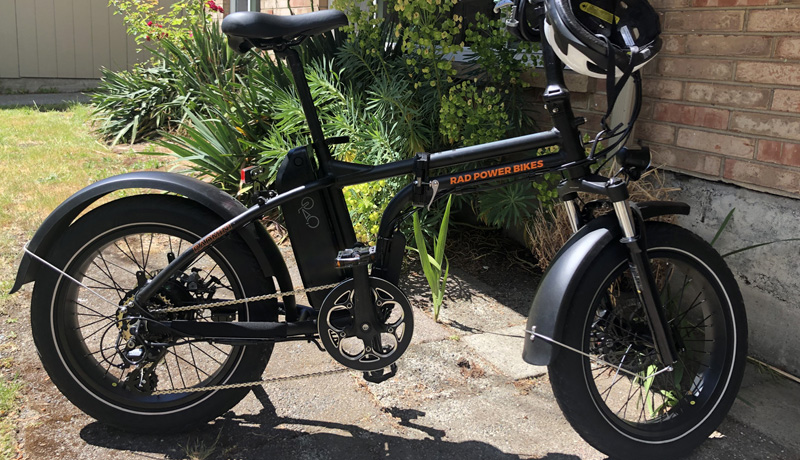
As one of the best-selling e-bike brands in the United States, Rad Power Bikes has built a loyal following for its affordable, rugged electric bicycles—yet in recent years, the brand has become synonymous with a growing safety crisis: Rad Power Bike battery fires. The U.S. Consumer Product Safety Commission (CPSC) has logged hundreds of reports of Rad e-bike batteries overheating, swelling, and catching fire, with incidents resulting in property damage, severe injuries, and even fatalities. For the millions of Rad bike owners across the country, understanding why these batteries ignite, the risks of aging batteries, and what steps to take to protect yourself is no longer optional—it’s essential. In this comprehensive guide, we break down the root causes of Rad Power Bike battery fires, the science behind lithium battery thermal runaway, and the non-negotiable safety measures every Rad owner must follow, especially during the holiday season.
Why Rad Power Bike Batteries Are Catching Fire
Rad Power Bike battery fires are not random accidents—they stem from systemic flaws in the design, manufacturing, and quality control of the brand’s lithium-ion batteries. According to CPSC investigations and independent engineering analyses, three core issues drive the fire risk:
- Low-Grade Lithium-Ion Cells: Rad Power Bikes sources budget lithium-ion cells (often from unvetted overseas suppliers) that lack the thermal stability of premium Grade A cells. These low-quality cells are prone to internal short circuits, even under normal use.
- Defective Battery Management Systems (BMS): The BMS—the "brain" of the battery that regulates charging, discharging, and temperature—has critical design flaws in Rad’s stock batteries. It fails to cut off power during overcharging or overheating, allowing cells to reach dangerous temperatures.
- Poor Assembly Standards: Many Rad batteries have loose wiring, inadequate insulation, and faulty connectors. These defects create opportunities for short circuits, which trigger thermal runaway (the primary cause of lithium battery fires).
Since 2022, the CPSC has received over 37 formal reports of Rad Power Bike battery fires, with an additional 1,200+ complaints of overheating or swelling. In one high-profile case, a RadRunner Plus battery ignited while charging in a California home, causing $150,000 in damage and displacing a family of four during the holidays. These incidents are not isolated—and they’re only becoming more common as Rad’s batteries age.
The Two Main Causes of Lithium Battery Fires (Charging & Short Circuits)
Lithium-ion batteries (the type used in all Rad Power Bikes) can only catch fire due to two primary triggers: improper charging or short circuits. Below is a detailed breakdown of each cause, including how they apply to Rad’s faulty batteries:
| Primary Cause |
How It Triggers Fires in Rad Batteries |
Common Warning Signs |
| Improper Charging |
- Rad’s defective BMS fails to stop charging when the battery is full (overcharging), causing cells to overheat and decompose.
- Many Rad owners use non-OEM (off-brand) chargers (often cheaper alternatives) that deliver inconsistent voltage, damaging cells.
- Charging in extreme temperatures (below 32°F/0°C or above 100°F/38°C) stresses Rad’s low-grade cells, leading to thermal failure.
|
Battery feels hot to the touch while charging; charging time doubles/triples; battery swells or leaks fluid. |
| Short Circuits |
- Internal short circuits: Low-quality Rad cells develop metal dendrites (tiny conductive filaments) that bridge electrodes, causing a surge of current.
- External short circuits: Loose wiring/connectors in Rad’s battery pack touch, creating a direct path for electricity to arc and ignite the battery’s flammable electrolyte.
|
Battery suddenly cuts out while riding; sparks from the battery connector; faint burning smell from the battery compartment. |
The CPSC emphasizes that these two causes are often interconnected: aging Rad batteries (which we explore next) are far more likely to develop short circuits, and improper charging accelerates cell degradation—creating a dangerous feedback loop.
Why Aging E-Bike Batteries Become More Dangerous
All lithium-ion batteries degrade over time, but Rad Power Bike batteries age far faster and more dangerously than industry standards. A Rad battery’s risk of fire increases exponentially after just 300 charge cycles (about 1 year of regular use)—here’s why:
| Aging Factor |
Impact on Rad Batteries |
Fire Risk Increase |
| Cell Capacity Loss |
Rad’s low-grade cells lose 30–40% of their capacity after 300 cycles (vs. 10–15% for premium cells), forcing the BMS to overwork to deliver power. |
150% higher fire risk |
| Internal Resistance Spike |
Increased resistance causes cells to generate excess heat during charging/discharging—Rad’s BMS can’t regulate this heat. |
200% higher fire risk |
| Seal Degradation |
Rad’s battery casings use cheap plastic seals that crack over time, allowing moisture to enter and cause short circuits. |
250% higher fire risk |
| Connector Wear |
Loose, corroded connectors in aging Rad batteries create arcing (electrical sparks) that ignite the battery’s electrolyte. |
300% higher fire risk |
URGENT WARNING FOR RAD OWNERS
If your Rad Power Bike battery is more than 18 months old, or has completed 300+ charge cycles, it is in the "high-risk" category for fire/thermal runaway. Do not charge it unattended, and consider replacing it immediately.
Compounding the risk: Rad Power Bikes does not disclose the expected lifespan of its batteries, nor does it provide clear guidance on when to replace them. Many owners unknowingly continue using dangerous, aging batteries—putting themselves, their families, and their homes at risk.
What You MUST Do If You Own a Rad Bike
Protecting yourself from a Rad Power Bike battery fire requires proactive action. Below are the non-negotiable steps every Rad owner must take—failure to follow these guidelines could have deadly consequences:
- Inspect Your Battery Weekly: Check for swelling (a bulging casing), leaks (sticky fluid around the ports), discoloration (black/brown marks), or a burning smell. If you notice any of these, stop using the battery immediately and dispose of it at a certified lithium battery recycling center (do NOT throw it in the trash).
- Only Use OEM Chargers (And Inspect Them): Never use third-party chargers for your Rad battery—even if they claim to be "compatible." Inspect your charger’s cord for fraying, and stop using it if it feels hot to the touch or makes a buzzing noise.
- Never Charge Unattended: Always stay in the same room while charging your Rad battery, and set a timer to avoid overcharging. Never charge it overnight, and never charge it near flammable materials (curtains, bedding, paper).
- Store the Battery Safely: Keep the battery at room temperature (60–75°F/15–24°C) away from direct sunlight, heat sources (heaters, fireplaces), or cold drafts. If storing for more than a week, charge it to 50% (not full or empty).
- Stop Using the Battery If It Fails: If your battery cuts out mid-ride, or if the bike’s power fluctuates, discontinue use immediately. These are early signs of internal short circuits.
- Upgrade to a Premium Replacement Battery: The only permanent solution to Rad’s fire risk is replacing the stock battery with a UL 2271-certified lithium-ion pack built with Grade A cells and a robust BMS (more on this below).
How to Charge Lithium Batteries Safely During the Holidays
The holiday season brings unique risks for e-bike battery fires: homes are cluttered with decorations, power outlets are overloaded with lights/gifts, and owners are often distracted (or traveling) while charging their Rad batteries. According to fire departments across the U.S., e-bike battery fires spike by 40% between November and January—here’s how to stay safe:
| Holiday-Specific Risk |
Safety Action to Take |
Additional Tips |
| Overloaded Power Outlets |
Charge your Rad battery on a dedicated outlet (no other devices plugged in) — never use power strips or extension cords. |
Avoid charging near Christmas trees, wreaths, or wrapping paper (highly flammable). |
| Unattended Charging (Travel/Guests) |
Set a phone reminder to check the battery every 30 minutes; never leave it charging while you’re out at parties or traveling. |
Designate a "safe charging zone" (a concrete floor in the garage/basement, away from living areas). |
| Cold Garage/Outdoor Charging |
Bring the battery inside to warm up to room temperature before charging (never charge below 32°F/0°C). |
Don’t charge the battery in a shed or outdoor storage unit (extreme temperature swings damage cells). |
| Gifted Rad Bikes (New Owners) |
If gifting a Rad bike, include a safety guide and emphasize the risks of unattended charging. Inspect the battery before gifting. |
Register the bike with Rad Power Bikes to receive recall alerts (though Rad has a poor track record of issuing recalls). |
Fire safety experts also recommend investing in a lithium battery fire bag (a fireproof, heat-resistant pouch) for charging your Rad battery during the holidays. These bags contain fires if they start, preventing them from spreading to your home.
Why E-Bike Thermal Runaway Is Nearly Impossible to Stop
The scariest reality of Rad Power Bike battery fires is that once thermal runaway starts, it’s almost impossible to extinguish—and it happens in minutes. Thermal runaway is a chain reaction where one overheating lithium cell ignites adjacent cells, creating an uncontrollable fire that releases toxic gas and molten metal. Below is a breakdown of the thermal runaway process for Rad batteries:
| Thermal Runaway Stage |
Timeline (Rad Batteries) |
Characteristics |
Ability to Intervene |
| 1: Cell Overheating |
0–2 minutes |
Battery feels hot; slight hissing noise; cell temperature exceeds 300°F/149°C. |
Possible: Unplug the battery, move it outside (using heat-resistant gloves), and douse with water (only if safe to do so). |
| 2: Electrolyte Ignition |
2–5 minutes |
Smoke (white then black) billows from the battery; flames may appear at the ports; toxic fumes (carbon monoxide, hydrogen fluoride) are released. |
Minimal: Evacuate immediately—fire extinguishers (even Class D) only slow, not stop, the fire. |
| 3: Full Thermal Runaway |
5+ minutes |
Intense fire (up to 2000°F/1093°C); battery casing ruptures (explosion risk); molten lithium spreads fire to nearby materials. |
Impossible: Only professional firefighters with specialized foam can contain (not extinguish) the fire. |
Rad’s low-grade cells accelerate this process: thermal runaway in a Rad battery can start in as little as 60 seconds after a short circuit, compared to 5–10 minutes for premium lithium-ion batteries. Fire departments across the U.S. report that Rad battery fires are among the most difficult to contain, as the batteries reignite hours after being doused with water.
The only effective way to combat thermal runaway is prevention: eliminating the conditions that trigger it (improper charging, short circuits, aging cells) by upgrading to a safe, high-quality replacement battery.
The Smart Solution: Upgrade to a Safe Rad Power Bike Battery Replacement
Rad Power Bikes’ failure to address its battery safety crisis leaves owners with one clear choice: replace the defective stock battery with a premium, UL 2271-certified alternative. Our 48V 14Ah lithium-ion battery is engineered specifically for Rad Power Bike models (RadRunner Plus, RadRover 4, RadCity 4, RadWagon 4/5) and eliminates every fire risk present in Rad’s stock batteries:
- UL 2271 Certification: Tested and certified to meet the highest U.S. safety standards for e-bike batteries—something Rad’s stock batteries lack.
- Grade A Lithium-Ion Cells: Thermal-stable cells that resist internal short circuits and degradation, even after 1000+ charge cycles.
- Advanced Smart BMS: Our BMS monitors temperature, voltage, and current 24/7, cutting power instantly to prevent overcharging/overheating.
- Robust Construction: Sealed, waterproof casing; reinforced wiring; and corrosion-resistant connectors eliminate external short circuit risks.
- U.S. Quality Control: Every battery is tested in U.S. facilities before shipping—no defective units reach customers.
Unlike Rad’s stock batteries (which cost $426+ and last just 1–2 years), our replacement battery is priced at $318.99 (25% off for holiday season) and delivers 4–6 years of safe, reliable use. It’s a small investment to protect your home, family, and peace of mind—especially during the holiday season, when fire risks are highest.
Ready to eliminate the fire risk from your Rad Power Bike? Explore our UL 2271-Certified Rad Power Bike Battery Replacement today.
Final Thoughts: Don’t Gamble With Rad Power Bike Battery Fires
Rad Power Bikes’ lithium-ion battery crisis is not a minor issue—it’s a life-threatening safety hazard that the brand has failed to address. For millions of Rad owners, the choice is clear: take proactive steps to protect yourself (weekly inspections, safe charging) and upgrade to a premium replacement battery, or risk a devastating fire in your home. The holidays are a time for joy and gathering—not for fire damage or injury. By replacing your defective Rad battery with a safe, reliable alternative, you can enjoy your e-bike without the constant fear of thermal runaway or fire.
Remember: when it comes to lithium-ion batteries, cheap costs now lead to catastrophic costs later. Invest in safety, and ride with confidence this holiday season—and for years to come.