Rad Power Bike Battery: Type, Range, Lifespan & The Ultimate Replacement (2025)
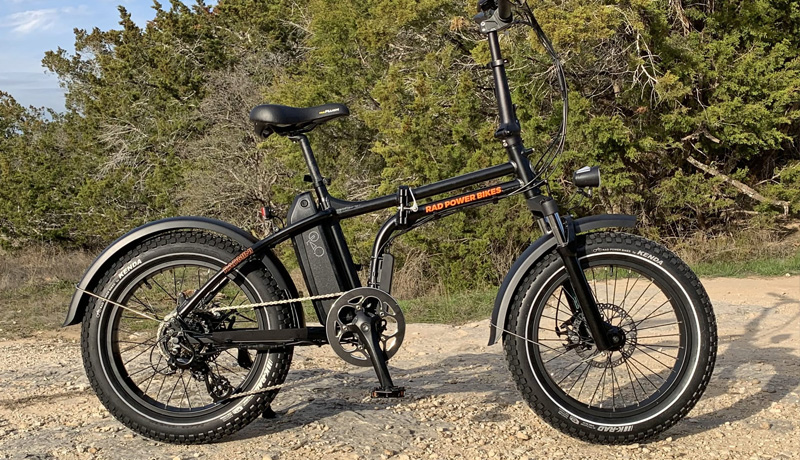
Rad Power Bikes reigns as one of the most influential electric bicycle brands in the United States, boasting a massive, loyal user base drawn to its affordable, rugged e-bikes built for commuting, hauling, and off-road adventures. At the core of every Rad Power Bike lies its lifeblood: the rad power bike battery—a make-or-break component that defines ride range, performance, and long-term value. Yet recent warnings from the U.S. Consumer Product Safety Commission (CPSC) about potential risks with original Rad Power Bike batteries have left thousands of riders asking: Is replacing my rad power bike battery worth it? The answer is a resounding yes—but only if you choose a reliable, high-quality replacement. In this definitive guide, we’ll unpack everything you need to know about rad power bike batteries: what type they use, how far they go, their lifespan, the CPSC warning, and why our premium replacement battery is the game-changing solution for Rad Power Bike owners.
What Type of Battery Does a Rad Power Bike Use?
To make smart decisions about replacement, understanding the fundamentals of the rad power bike battery is non-negotiable. Rad Power Bikes exclusively relies on lithium-ion (Li-Ion) batteries—the industry gold standard for e-bikes—with the external Hailong battery pack design as the primary configuration across its lineup.
The vast majority of Rad Power Bike models (including fan favorites like the RadRunner Plus, RadRover 4, RadCity 4, and RadWagon 4/5) are equipped with a 48V 14Ah lithium-ion battery—the most sought-after and widely used option. Entry-level models may feature a 36V 10.4Ah variant, but 48V 14Ah is the sweet spot for performance and range, engineered to pair seamlessly with Rad’s 500W to 1000W hub motors. Rad’s original batteries include a built-in Battery Management System (BMS) designed to prevent overcharging, short circuits, and temperature damage—once a key selling point, but now a source of frustration due to widespread defects.
How Far Can a Rad Power Bike Battery (48V 14Ah) Go?
Range is the top priority for e-bike riders, and the 48V 14Ah rad power bike battery is marketed to deliver up to 45+ miles per full charge. But real-world performance depends on three critical factors:
- Terrain: Flat urban commutes hit 40–45 miles, while hilly/off-road terrain drops to 25–30 miles.
- Rider/Cargo Weight: Heavier riders (250+ lbs) or cargo-heavy RadWagon trips reduce range by 10–15%.
- Assist Level: Max assist (Level 5) or throttle-only use limits range to 20–25 miles; low assist (Level 1–2) extends it to 40+ miles.
The biggest complaint from Rad owners? Stock batteries fail to hit these range claims after just a few months—many report range plummeting to 15–20 miles within a year of use, turning reliable commutes into stressful rides fraught with dead battery anxiety.
What Is the Lifespan of a Rad Power Bike Battery?
Lithium-ion batteries aren’t permanent, and the rad power bike battery is no exception. Rad Power Bikes claims a lifespan of 500–1000 charge cycles (2–3 years of regular use), but U.S. consumers report far shorter lifespans—many batteries degrade drastically after just 300 cycles (1–1.5 years).
Red flags your battery is failing:
- Range cut in half (or worse) from original capacity
- Charging times doubling to 8+ hours (vs. 4–6 hours new)
- Random power cuts or inconsistent assist while riding
- Swelling/overheating during charging (a severe safety hazard)
These issues stem from low-quality lithium-ion cells and shoddy BMS design—flaws that have now triggered regulatory action.
U.S. CPSC Warning: Rad Power Bike Batteries Pose Safety Risks
In 2024, the U.S. Consumer Product Safety Commission (CPSC) issued a formal warning targeting rad power bike battery units, citing hundreds of consumer complaints:
- 37 reported incidents of battery fires/overheating
- 129 injury reports (falls, collisions) from sudden battery failure
- 2,000+ warranty claims since 2022 for defective batteries
Despite this warning, Rad Power Bikes remains a top choice for U.S. riders—thanks to its affordability and brand recognition. For millions of owners, the question isn’t should I replace my bike—it’s should I replace my battery.
Is Replacing a Rad Power Bike Battery Worth It? Absolutely.
Replacing your faulty rad power bike battery is the smartest investment you can make in your e-bike—here’s why:
- Cost-Effective: A new Rad Power Bike costs $1,500–$3,000; a premium replacement battery is under $400 (1/4 the cost of a new bike).
- Preserve Your Ride: You love your Rad Power Bike—its design, functionality, and fit for your lifestyle. No need to switch brands; just fix the battery.
- Safety First: A high-quality replacement eliminates fire/failure risks highlighted by the CPSC.
- Restore Performance: A new battery brings back 45+ mile range and consistent power—extending your bike’s life by 3–5 years.
The critical caveat: Not all replacements are created equal. Cheap, unregulated batteries carry the same risks as Rad’s stock units. To protect your investment, you need a battery built for compatibility, safety, and longevity.
The Ultimate Rad Power Bike Battery Replacement: Our 48V 14Ah Lithium-Ion Battery
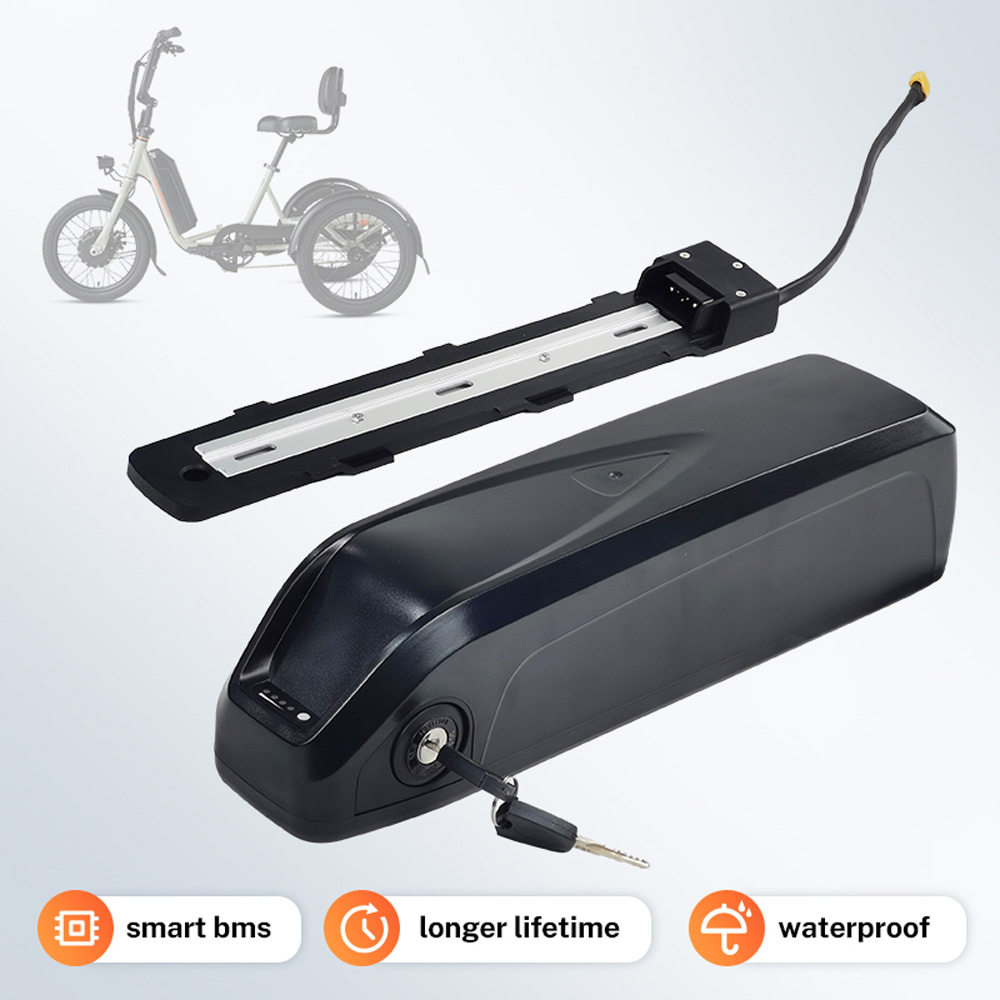
For Rad Power Bike owners seeking a safe, high-performance upgrade, our 48V 14Ah lithium-ion Hailong battery is the gold standard. Designed and tested exclusively for Rad models (RadRunner Plus, RadRover 4, RadCity 4, RadWagon 4/5, and all 48V/36V variants), it fixes every flaw in Rad’s stock batteries—while delivering better range, longer lifespan, and unbeatable safety.
Why Our Replacement Battery Stands Above the Rest
- Perfect Compatibility: Direct drop-in fit (380*95*89mm) with plug-and-play installation (no tools needed)—works for 48V and 36V Rad systems.
- Superior Range: Grade A lithium-ion cells deliver 45+ miles per charge—matching a brand-new Rad battery (and crushing degraded stock units).
- Double the Lifespan: 1000+ charge cycles (vs. 300–500 for Rad’s stock battery)—4–6 years of reliable use.
- UL 2271 Certified Safety: Advanced BMS with overcharge/overheat/short circuit protection—addressing every CPSC concern.
- U.S. Shipping: Fast 2–5 day delivery from U.S. warehouses (no customs fees or delays).
- Unbeatable Value: 25% off limited offer—just $318.99 (vs. $426+ for Rad’s official replacement) with a 2-year warranty (double Rad’s 1-year coverage).
Easy Installation (5 Minutes or Less)
Installing our replacement battery is hassle-free—even for first-time users:
- Unlock and remove your old rad power bike battery from the compartment.
- Plug our battery into the bike’s power connector (identical to Rad’s original).
- Slide the battery into place and lock it with the included keys.
- Charge for 4–6 hours (with the included charger) and hit the road.
Final Thoughts: Upgrade Your Rad Power Bike Battery Today
Rad Power Bikes are beloved for a reason—they’re practical, affordable, and built for real-life use. But a faulty rad power bike battery shouldn’t ruin your riding experience. Replacing your battery with our premium 48V 14Ah lithium-ion pack is the fastest, safest way to restore your e-bike’s performance, eliminate safety risks, and get back to the rides you love. Don’t settle for a battery that fails early or puts you at risk—choose a replacement designed to outperform and outlast Rad’s stock units.
Ready to upgrade? Explore our 48V 14Ah Rad Power Bike Battery Replacement and reclaim your ride today.