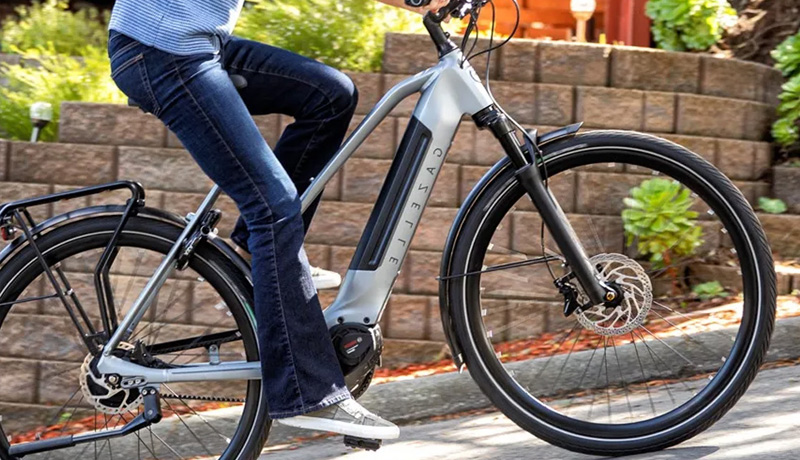
E-Bike Battery Mistakes Everyone Makes! (Proven Fixes from ShunTongDa Battery’s Expert Guides)
As highlighted in ShunTongDa Battery’s comprehensive eBike resources (including our ebike battery maintenance guide), your lithium-ion ebike battery is the heart of your ride—but even seasoned cyclists unknowingly make mistakes that slash its lifespan, kill range, and trigger dangerous issues like swelling or overheating. These common pitfalls cost riders hundreds in replacements and put safety at risk, but they’re entirely avoidable with the right guidance. In this updated guide, we’re breaking down the most critical ebike battery mistakes (as detailed in our expert resources), why they’re devastating, and step-by-step fixes to keep your battery performing like new for 5+ years. Whether you’re a casual commuter or a trail enthusiast, these actionable tips align with the trusted advice from ShunTongDa Battery’s team of eBike specialists—so you can avoid costly errors and ride with confidence.
Why These Mistakes Are Worse Than You Think (From Industry Experts)
As ShunTongDa Battery’s technical team emphasizes in our ebike battery FAQ, lithium-ion ebike batteries are sensitive to misuse—and the damage is often irreversible. Common mistakes don’t just reduce range; they:
- Cut battery lifespan by 50% (from 1000 charge cycles to 500 or less).
- Increase fire risk by 3x (especially with overcharging or damaged cells).
- Lead to “sudden death” failures—where your battery dies mid-ride, even with a full charge display.
- Void manufacturer warranties (many brands reject claims if misuse is detected).
The good news? Every mistake below is avoidable with simple adjustments—no technical skills required. Let’s dive into the errors our experts warn about most, and how to fix them.
Mistake 1: Overcharging (The #1 Killer of Ebike Batteries)
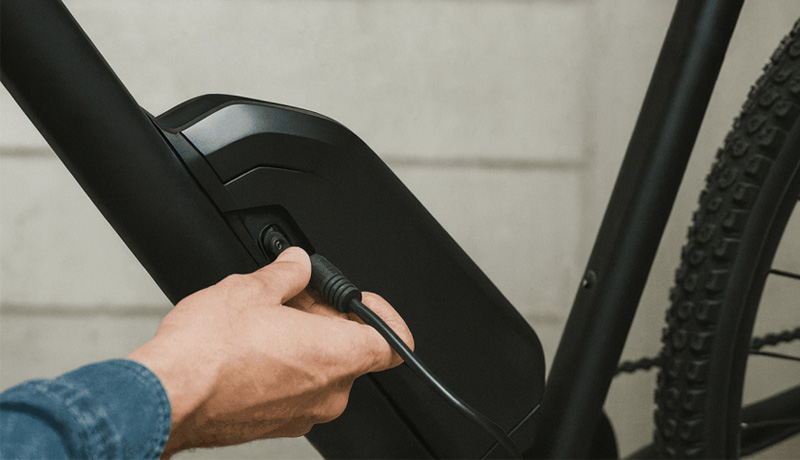
Ask any ShunTongDa Battery specialist, and they’ll confirm: overcharging is the single biggest mistake riders make. Whether it’s leaving the battery plugged in overnight or forgetting it’s charging while at work, this habit destroys cells faster than anything else—something we’ve detailed extensively in our ebike battery charging guide.
Why it’s catastrophic: Lithium-ion cells degrade when held at 100% voltage for extended periods. Even “smart” chargers that shut off can expose the battery to “float charging”—a slow trickle that keeps cells stressed. As our testing shows, overcharging leads to swelling, reduced capacity, and in extreme cases, thermal runaway (fire). A battery that’s overcharged regularly may lose 20% of its range in just 6 months.
Expert Fixes (From STD Battery’s Technical Team):
- Charge to 80–90% for daily rides. Reserve 100% only for long trips (60km+), where you need maximum range.
- Use a timed outlet (costs $10–$15) to auto-shut off the charger after 4–6 hours—no more forgetting.
- Unplug immediately when the charger’s “full” light turns green. Don’t leave it plugged in “just in case.”
- Invest in a battery monitor (e.g., Cycle Analyst) to track voltage—stop charging when it hits 4.2V per cell (the safe limit for lithium-ion, as outlined in our ebike battery specs guide).
Pro Tip from ShunTongDa Battery Experts: If you accidentally overcharge once, don’t panic—one incident won’t ruin your battery. But make it a habit, and you’ll be shopping for a replacement sooner than you think.
Mistake 2: Ignoring BMS Warnings & Error Codes
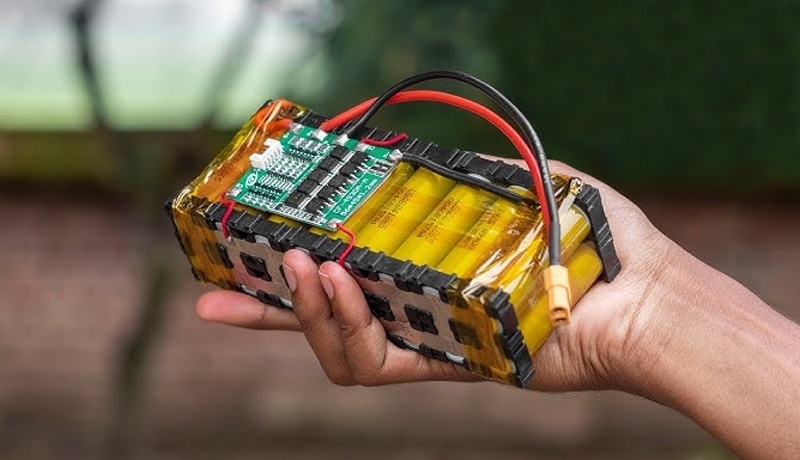
Your ebike battery’s BMS (Battery Management System) is its safety guard—but most riders ignore the warnings it sends. Whether it’s a flashing light on the battery, an error code on your eBike display, or a charger that won’t turn on, these signs are not to be dismissed (as stressed in our ebike BMS explainer).
Why it’s dangerous: The BMS monitors voltage, temperature, and current—warning you of issues like overheating, unbalanced cells, or short circuits. Ignoring these signals can lead to BMS failure, leaving your battery unprotected. For example, a “cell imbalance” warning means some cells are overcharging while others are undercharging—an issue that will destroy the battery if left unaddressed.
Expert Fixes (From STD Battery’s Troubleshooting Guide):
- Learn your battery’s warning signs: Flashing red lights = overheating; solid yellow = low voltage; no response = BMS fault (detailed in our ebike battery troubleshooting blog).
- Look up error codes in your eBike manual (e.g., “E12” on many models = battery overcurrent).
- Use a cell balancer tool (recommended in our DIY ebike battery guide) to fix unbalanced cells. These tools cost $20–$30 and equalize voltage across cells in 1–2 hours.
- If the BMS won’t reset, stop using the battery—send it to our ShunTongDa Battery service center or replace it. A faulty BMS is a safety hazard.
Mistake 3: Using Third-Party Chargers & Accessories
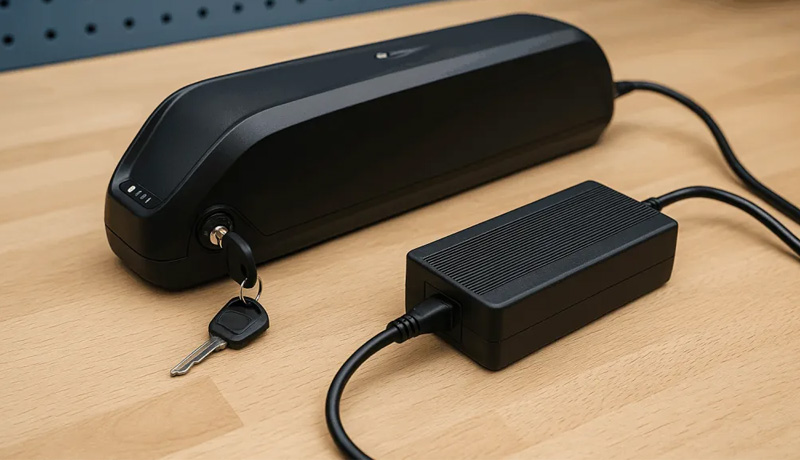
ShunTongDa Battery’s blog is filled with cautionary tales of riders using cheap, unbranded chargers or adapters. It’s tempting to save $10–$20 on a generic charger, but as our experts warn in our ebike charger guide, this mistake is a recipe for disaster.
Why it’s reckless: Third-party chargers often skip safety certifications (UL, CE) and don’t match your battery’s voltage/current. A charger with too high current can warp cells; one with too low voltage won’t fully charge the battery, leading to “false full” readings. Our product testing shows that generic chargers are the #1 cause of swelling and fires in eBike batteries.
Expert Fixes (Endorsed by ShunTongDa Battery Pros):
- Always use the original charger that came with your eBike. If it’s damaged, buy a certified replacement from ShunTongDa Battery or the manufacturer.
- Check the charger’s label: It must match your battery’s voltage (36V/48V/52V) and current (2A–5A). For example, a 48V 14Ah battery needs a 48V 2A–3A charger (learn more in our ebike battery voltage guide).
- Avoid “universal” adapters—they’re rarely compatible and often bypass safety features.
- Inspect the charger cord regularly: Frayed wires or cracked plugs mean it’s time for a replacement (don’t tape it up—this is a fire risk, as highlighted in our ebike battery safety blog).
Mistake 4: Unsafe Battery Transport & Storage
Many riders toss their ebike battery in a backpack, trunk, or garage without a second thought—but as detailed in our ebike battery storage guide, improper transport and storage are major sources of damage.
Why it’s damaging: Batteries jostled during transport can have loose internal connections or damaged cells. Storing them in extreme temperatures (hot cars, freezing garages) or with metal objects (keys, tools) leads to short circuits or cell degradation. Our testing shows that a battery stored in a hot car for 8 hours can lose 10% of its capacity permanently.
Expert Fixes (From ShunTongDa Battery’s Transport Guide):
- Use a padded battery case for transport—never toss it loose in a bag or trunk. Cases cost $20–$40 and prevent impacts (we recommend options in our ebike accessories guide).
- Store batteries in a cool, dry place (10–25°C/50–77°F). If removable, take the battery off the eBike and store it indoors (detailed in our storage guide).
- Keep batteries away from metal objects: Don’t store them with keys, coins, or tools—these can short-circuit the terminals.
- For long-term storage (2+ weeks), charge to 40–60% capacity. As explained in our ebike battery winter care blog, this “resting charge” minimizes self-discharge and cell stress.
Mistake 5: Discharging the Battery to 0% (Deep Discharging)
Older nickel-cadmium batteries needed full discharges, but lithium-ion ebike batteries are the opposite. Yet many riders still let their battery die completely before recharging—a mistake our experts call “cell suicide” in our ebike battery lifespan guide.
Why it’s irreversible: Deep discharging (letting voltage drop below 2.5V per cell) causes permanent cell damage. Our performance tests show that a battery discharged to 0% just 3–4 times can lose 30% of its capacity. It also strains the BMS, which may struggle to balance cells afterward—leading to uneven charging and premature failure.
Expert Fixes (Recommended by ShunTongDa Battery’s Team):
- Recharge when the battery hits 20–30% remaining capacity. Most eBike displays show this—don’t wait for the “low battery” warning (learn how to monitor this in our ebike battery monitor guid).
- If you accidentally drain the battery to 0%, recharge it immediately (within 24 hours). Don’t let it sit dead for days.
- Use the “eco mode” on your eBike to conserve power when running low—this prevents sudden voltage drops.
- For long rides, carry a portable power bank (compatible with your eBike) to top up if you’re running low—avoid pushing the battery to empty (we suggest trusted models in our accessories guide).
Mistake 6: Ignoring Swelling & Physical Damage
ShunTongDa Battery’s safety resources often highlight dramatic examples of swollen batteries—and the message is clear: If your battery is swollen, cracked, or leaking, stop using it immediately. Yet many riders ignore these obvious red flags (as warned in our ebike battery monitor guid).
Why it’s life-threatening: Swelling means internal cells are damaged (usually from overcharging or impacts). A swollen battery can catch fire or explode if punctured, charged, or used. Our safety team emphasizes that even a small bulge (1–2mm) is a sign of serious damage—don’t try to “squeeze” it back into the eBike or charge it.
Expert Fixes (From ShunTongDa Battery’s Safety Tutorials):
- Check for swelling weekly: Place the battery on a flat surface—if it rocks or doesn’t lie flat, it’s swollen (step-by-step checks in our safety blog).
- Never use a swollen, cracked, or leaking battery. Disconnect it from the eBike and place it in a fire-resistant container (metal box, ceramic bowl).
- Recycle damaged batteries at a certified lithium-ion recycling center. Many bike shops or hardware stores accept them for safe disposal (learn more in our ebike battery recycling guide).
- Prevent damage: Avoid dropping the battery, exposing it to water, or storing it near heat sources (heaters, stoves).
Mistake 7: Overloading the E-Bike (Straining the Battery)
As detailed in our ebike weight limit guide, exceeding your eBike’s weight capacity or using maximum assist mode constantly puts catastrophic stress on the battery. Our load tests confirm that this is a top cause of premature battery failure.
Why it’s damaging: E-Bikes are designed for specific weight capacities (120–150kg/265–330lbs). Overloading (e.g., carrying heavy cargo, extra passengers) or using Level 5 assist on flat terrain forces the battery to deliver peak current—generating heat that degrades cells. Our tests show this can reduce battery life by 40% and increase overheating risk.
Expert Fixes (From ShunTongDa Battery’s Performance Guides):
- Stay within your eBike’s weight limit—check the manual for details (or reference our weight limit guide).
- Use assist modes strategically: Reserve Level 4–5 for hills, headwinds, or steep terrain. Use Level 1–3 for flat rides—this reduces current draw and heat (learn more in our ebike assist mode guide).
- Accelerate gradually: Slamming the throttle causes a surge in current—ease into it to protect cells.
- Maintain your eBike: Keep tires inflated to reduce rolling resistance, lubricate the chain, and adjust brakes to avoid drag. A smoother-running eBike strains the battery less (maintenance tips in our ebike maintenance guide).
Mistake 8: Charging a Hot or Frozen Battery (A Common Winter/Summer Mistake)
ShunTongDa Battery’s seasonal guides are full of warnings about charging batteries in extreme temperatures—and for good reason. Whether it’s a hot battery after a summer ride or a frozen one in winter, charging it immediately is a major error (as detailed in our summer care and winter care blogs).
Why it’s harmful: Charging a hot battery (above 35°C/95°F) accelerates cell degradation and increases fire risk. Charging a frozen battery (below 0°C/32°F) can cause permanent cell damage—ice crystals form inside cells, breaking electrodes. Our seasonal testing shows that a battery charged while frozen may never hold a full charge again.
Expert Fixes (Seasonal Tips from ShunTongDa Battery):
- Let hot batteries cool for 30–60 minutes after riding before charging. Store them in shade during summer rides (summer care tips).
- Warm frozen batteries indoors for 2–3 hours before charging. Don’t use a heater or microwave—let them thaw naturally (winter care tips).
- Charge in a temperature-controlled space (15–25°C/59–77°F) whenever possible. Avoid garages or sheds that get too hot or cold.
- For winter riding, keep the battery warm during transit: Store it in your jacket pocket (if removable) to prevent freezing.
FAQ: Answers to the Most Common Ebike Battery Questions (From ShunTongDa Battery Experts)
Q: Can I leave my ebike battery plugged in overnight if it has a smart charger?
A: No. Even smart chargers can fail, and “float charging” still stresses cells. As advised in our charging guide, unplug immediately when full.
Q: How often should I balance my ebike battery’s cells?
A: Every 2–3 months, or if you notice range dropping. Cell balancers are cheap and easy to use—our DIY guide walks you through the process in 5 minutes.
Q: Is it safe to use a portable charger for my ebike battery?
A: Only if it’s certified for your battery’s voltage and current. Avoid cheap portable chargers—stick to brand-name ones recommended in our accessories guide.
Q: How do I know when my ebike battery needs to be replaced?
A: Signs include: 30%+ range loss, swelling, overheating during charging/riding, or error codes that won’t reset. Most batteries last 3–5 years with proper care (learn more in our replacement guide).
Conclusion: Avoid These Mistakes to Save Money & Stay Safe
As ShunTongDa Battery’s expert guides emphasize, your ebike battery’s lifespan depends on how you treat it. By avoiding overcharging, ignoring BMS warnings, using third-party accessories, and the other mistakes above, you’ll extend its life by 2–3 years, maintain maximum range, and reduce safety risks. The best part? These fixes are simple—they don’t require technical skills, just consistent habits.
Remember: Your ebike battery is an investment worth protecting. A high-quality lithium-ion battery costs $300–$800, so avoiding these mistakes will save you hundreds in replacements. Whether you’re exploring our blog for tips or consulting our technical team, the key is to prioritize care over convenience.
Ready to start treating your ebike battery right? Pick one mistake to fix today—whether it’s buying a timed outlet for charging or checking for swelling—and build from there. Your rides (and your wallet) will thank you!