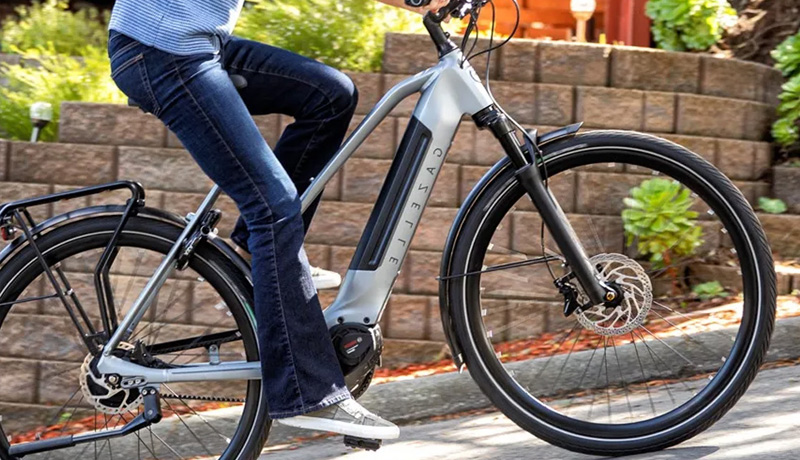
This E-bike's Dead; Can We Fix It For Nothing?
The short answer is yes, absolutely - and we'll show you exactly how to diagnose and potentially fix your dead e-bike without breaking the bank. Many common e-bike problems can be resolved with simple, affordable solutions if you know where to look and what to check first.
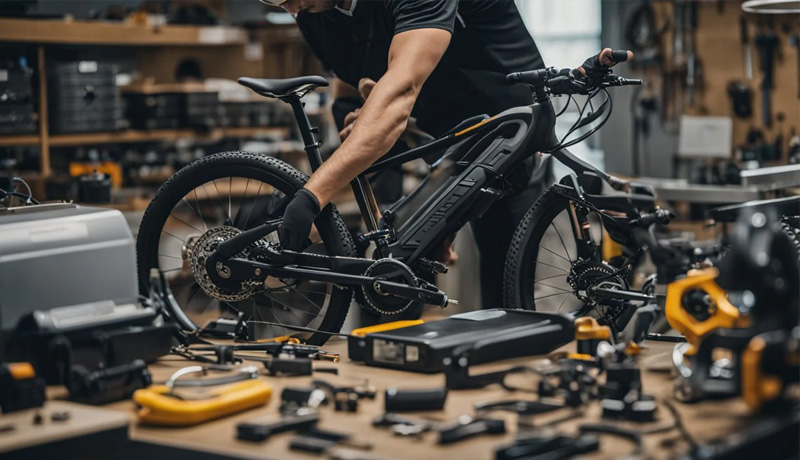
Step 1: Diagnose the Problem - What's Actually Wrong?
Before spending any money, you need to identify the exact failure point. Here's how to systematically diagnose your e-bike:
- Check the Battery First:
- Measure voltage with a multimeter - a completely dead battery shows 0V
- Look for physical damage, swelling, or corrosion
- Test with a known good charger
- Test the Motor:
- Listen for unusual noises when spinning the wheel
- Check for resistance when pedaling without power
- Look for physical damage to motor casing or wires
- Inspect the Controller & Wiring:
- Check all electrical connections are secure
- Look for burnt components or melted wires
- Verify display unit is receiving power
Step 2: Affordable Replacement Solutions
If the Motor is Faulty: Motor Conversion Kits
Instead of replacing the entire bike, consider a motor conversion kit available on Google Shopping or Amazon. These kits typically include:
- New hub motor (front or rear wheel)
- Compatible controller
- All necessary connectors and hardware
- Detailed installation instructions
Critical Note: You must match the motor kit voltage to your existing battery specifications. Mismatching voltages can be extremely dangerous.
If the Battery is Dead: Replacement Battery Packs
A faulty battery is the most common cause of e-bike failure. When replacing, you must consider:
- Voltage Matching: Must exactly match your motor requirements
- BMS Specifications: Must support your motor's power demands
- Physical Dimensions: Must fit your bike's battery compartment
- Connector Compatibility: Must match your bike's wiring
Step 3: Critical Compatibility Guide - Don't Get This Wrong!
Mismatching components isn't just inefficient - it's dangerous. Here's the essential compatibility table for safe replacements:
| Battery Voltage |
BMS Rating |
Supported Motor Power |
Typical Applications |
| 36V |
30A |
Up to 750W |
City commuters, light hills |
| 48V |
30A |
Up to 1000W |
Most standard e-bikes, moderate hills |
| 52V |
30A |
Up to 1000W |
High-performance models |
| 60V |
30A |
Up to 1200W |
Powerful off-road bikes |
| 72V |
30A |
Up to 1500W |
High-speed performance bikes |
Real Example: If you have a 48V 1000W motor, you need a 48V battery with at least a 25A-30A BMS. Using a 36V battery would severely underpower your motor, while a 60V battery could damage the controller and create fire hazards.
Step 4: Choosing Reliable Suppliers with Proper Support
When purchasing replacement parts, always verify:
- Warranty Coverage: Minimum 1-year warranty for batteries
- Customer Support: Accessible technical support team
- Safety Certifications: UL, CE, or RoHS certifications
- Return Policy: Reasonable return window for defective products
- User Reviews: Check independent review platforms
Essential Battery Care & Safety Guidelines
Daily Usage Best Practices
- Avoid complete discharges - recharge at 20-30% capacity
- Use only the manufacturer-approved charger
- Store in dry, temperature-controlled environments (10°C-25°C)
- Never charge unattended or overnight
Regular Maintenance Checklist
- Monthly visual inspection for damage or swelling
- Clean battery contacts every 3 months
- Check mounting brackets for tightness
- Verify charger output voltage quarterly
Safety Warning Signs
- Immediately stop using if battery shows:
- Visible swelling or deformation
- Unusual heating during charging/use
- Strange odors or leaking fluids
- Significant range reduction
Conclusion: Yes, You Can Fix It Affordably!
Fixing a dead e-bike doesn't have to be expensive. By properly diagnosing the issue, selecting compatible replacement parts, and following safety guidelines, you can restore your e-bike's functionality at a fraction of the cost of a new bike. Remember that compatibility between battery and motor is non-negotiable for safety and performance.
Need help diagnosing your e-bike issue or finding the right replacement parts? Contact our technical experts for free personalized advice based on your specific e-bike model and symptoms.